
Jelutong
Dyera costulata
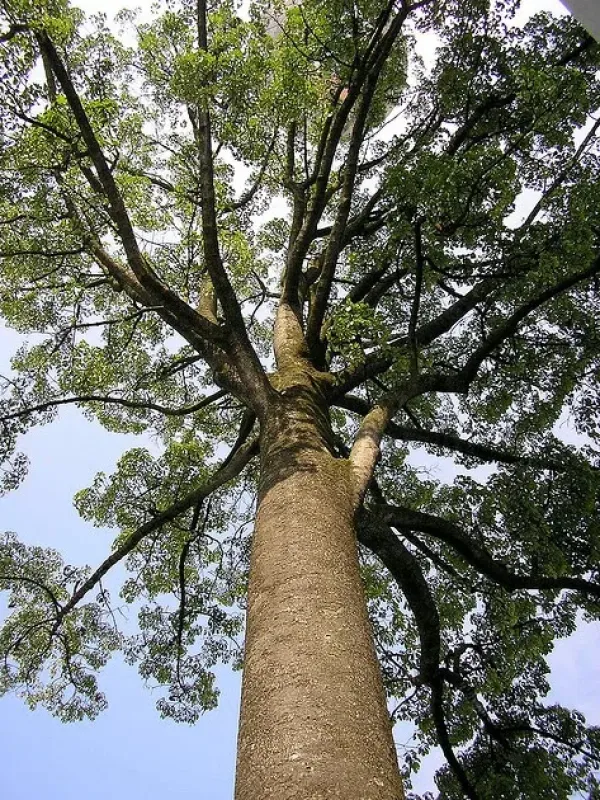
Description
Sowing dates
Propagation of Dyera costulata for commercial forestry is primarily achieved through seeds sown in specialized nursery beds.
Seeds must be sown immediately after collection, as they possess a very short period of viability and lose germination potential quickly if stored.
Lightweight, well-draining substrates rich in organic matter are essential to maintain the consistent moisture levels required for successful germination.
Seedlings are typically transplanted to permanent plantation sites once they reach a height of 30 to 50 centimeters, ensuring sufficient spacing for growth.
Young trees require careful management, including protective shading during the initial establishment phase to prevent heat stress and encourage straight trunk development.
Growing requirements
As a tropical species, Dyera costulata thrives in hot, humid climates with minimal seasonal temperature variation throughout the year.
Optimal environmental conditions include a mean annual temperature range of 24 to 28 degrees Celsius and consistently high relative humidity.
The tree prefers deep, fertile, and well-drained soils, occurring naturally in low-lying tropical rainforest areas.
It is highly sensitive to waterlogging, necessitating the implementation of adequate drainage systems when establishing managed plantations.
Sufficient light exposure is vital for healthy growth, so plantation managers must plan for proper canopy management to avoid excessive shading by older trees.
Yield
The primary economic output of this culture is its latex, known as jelutong, which is harvested through a controlled tapping process on the trunk.
The plantation's financial success is also significantly linked to the quality of its wood, valued for being soft, lightweight, and fine-textured.
The timber of Dyera costulata is highly favored for manufacturing pencils, furniture components, model-making, and various precision woodworks.
Growth rates allow for timber harvesting approximately 20 to 30 years after planting, making it a viable long-term forestry investment.
Consistent latex production requires careful management of the tree's cambium to ensure long-term vitality and sustainable yields over many years.
Main diseases and pests
Fungal root pathogens represent the most significant threat to plantations, often exacerbated by waterlogged soil and excessive planting density.
Young saplings are susceptible to damage from various insect pests, including defoliators and borers that can severely stunt growth rates.
Improper latex tapping techniques create entry points for opportunistic pathogens and wood-boring insects, potentially compromising the tree's health.
- Risk of root rot caused by poor soil aeration.
- Structural damage to the trunk from overly aggressive latex harvesting.
- Competition from invasive weeds during the early developmental stages.
Mitigation strategies involve strict sanitary protocols in nurseries, ongoing tree health monitoring, and the use of sanitizing agents during tapping.
Harvesting
Latex harvesting is performed via systematic bark incisions, typically following a spiral pattern around the trunk to maximize flow.
The frequency of tapping must be balanced against the tree's age and environmental health to ensure sustainable production cycles.
Timber harvesting is conducted once the trees achieve the desired trunk diameter, requiring expert planning to ensure efficient harvest logistics.
Processing steps include felling, primary on-site timber treatment, and transport to industrial facilities for conversion into lumber.
Sustainable resource management, which integrates both latex collection and timber extraction, is essential for maximizing the plantation's overall profitability.