
Vagaria parviflora
Vagaria parviflora
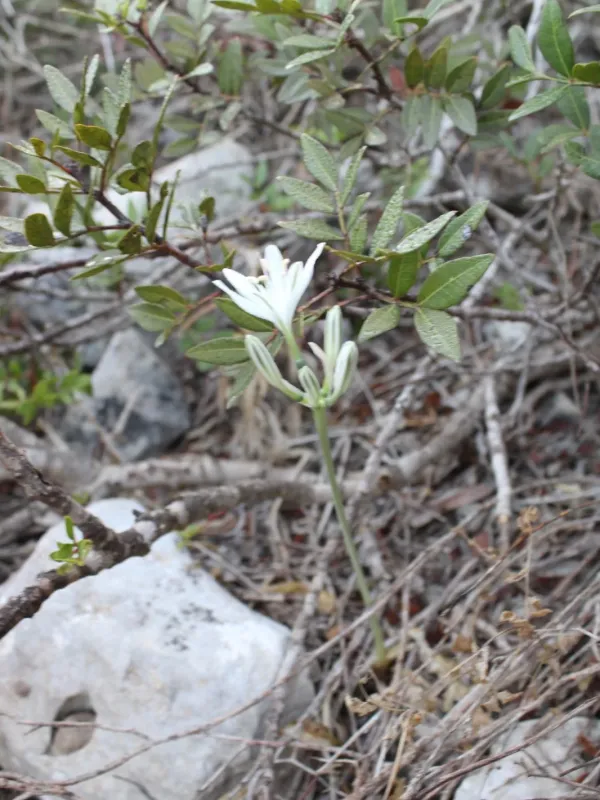
Description
Growing requirements
Vagaria parviflora is a perennial bulbous plant belonging to the Amaryllidaceae family. It is native to the Eastern Mediterranean, with its distribution range primarily covering parts of Lebanon, Syria, and Israel.
This species is well-adapted to rocky, arid habitats. Its botanical cycle is strictly defined by the Mediterranean climate, where it thrives during the cool, wet season and enters a state of dormancy during the hot, dry summer months.
Successful cultivation requires excellent soil drainage, as the bulbs are highly susceptible to rot if moisture lingers around them. Sandy or gritty soil compositions are strongly recommended for optimal root health.
The plant requires high levels of solar radiation to produce healthy foliage and flowers. It is best placed in areas with full sun exposure, ensuring it is protected from harsh freezing temperatures which it cannot tolerate.
While not a traditional agricultural crop, it is highly valued by botanists and collectors. Its usage is strictly ornamental, often grown in specialized greenhouses or botanical collections where the specific climate needs can be precisely managed.
Main diseases and pests
Fungal pathogens represent the most significant threat to the survival of Vagaria parviflora, particularly those that cause bulb decay. Excessive irrigation, especially when the plant is not in its active growth phase, is the primary trigger for such issues.
Pests such as onion maggots and various bulb mites can severely damage the subterranean parts of the plant. These pests thrive in humid, poorly ventilated soil environments, making good airflow a critical factor for prevention.
To maintain plant health, it is essential to allow the bulb to dry out completely during the dormancy period. Any signs of soft tissue or discoloration in the bulb should be addressed with appropriate fungicidal treatment immediately.
Preventative measures include using sterile growing media and ensuring that bulbs are not planted too deeply in the soil. Proper spacing is also important to prevent the spread of soil-borne diseases between individual plants.
In addition to chemical controls, manual inspection of the bulbs during the resting phase is recommended. Removing any debris or dead plant matter from the soil surface helps to eliminate potential breeding grounds for harmful insects.