
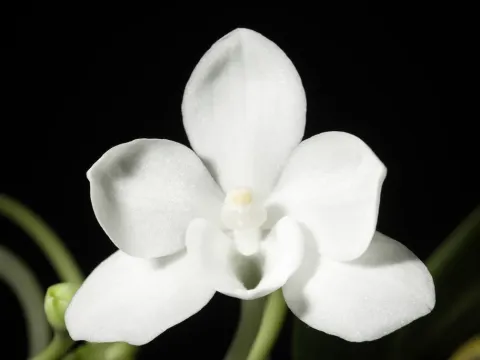
Amesiella
Amesiella
Amesiella is a genus of small, showy epiphytic orchids belonging to the Orchidaceae family. These plants are native to the Philippines, primarily inhabiting the misty, humid forests of the highlands, where they grow attached to tree branches and trunks.
What the section contains


Amesiella
Successful cultivation of Amesiella requires mimicking the cool and moist environment of their natural montane habitat. These orchids thrive in temperatures ranging from cool to intermediate, with a distinct diurnal temperature fluctuation being essential to stimulate healthy blooming cycles.
Proper aeration is the most critical factor for the root system. Due to their epiphytic nature, these plants should ideally be mounted on bark slabs or grown in small, well-draining baskets. A mix of high-quality sphagnum moss or small-grade fir bark is sufficient to retain necessary moisture.
High humidity levels (70–80%) must be maintained consistently throughout the year. However, high humidity must be balanced with vigorous air circulation; stagnant air is the primary cause of fungal outbreaks and physiological stress in this genus.
Light requirements for Amesiella are moderate; they prefer bright, filtered light. Direct tropical sun can rapidly scorch the fleshy leaves, leading to irreversible damage, so shading during the peak hours of the day is recommended for indoor collections.
The primary threats to Amesiella health are fungal and bacterial infections, often resulting from poor water management. Over-saturation of the potting media combined with insufficient airflow frequently leads to rhizome and root rot, which can quickly prove fatal.
Common indoor pests such as scale insects and mealybugs pose a significant risk. These pests hide in the leaf axils, drawing nutrients from the plant and weakening its structure. Regular inspection and use of specialized insecticidal soaps are vital for maintenance.
Spider mites can become a nuisance if ambient humidity is allowed to drop too low for extended periods. These pests thrive in dry environments and are difficult to detect until the plant starts showing symptoms of chlorosis or leaf drop.
Preventive measures include maintaining strict hygiene protocols. All tools used for maintenance must be disinfected between plants, and any new specimens should undergo a quarantine period before being introduced to a larger collection.
Monitoring the quality of the water is essential, as the species is sensitive to mineral buildup. The use of rainwater, distilled water, or reverse osmosis water is recommended to prevent salt accumulation, which can degrade root tissue and invite pathogenic organisms.