
Amesiella philippinensis
Amesiella philippinensis
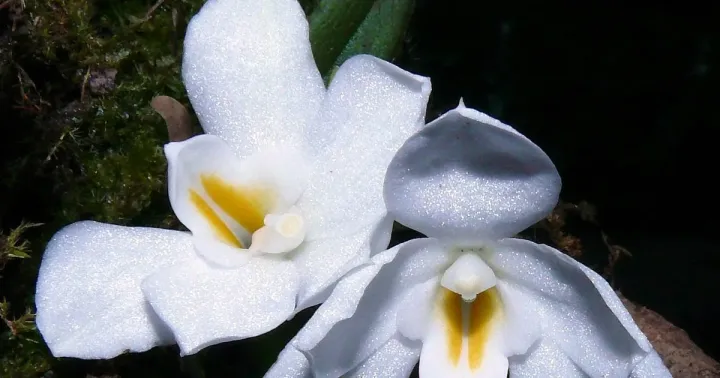
Description
Growing requirements
Amesiella philippinensis is a miniature epiphytic orchid belonging to the Orchidaceae family. Native to the Philippines, this species typically grows at high elevations on the island of Luzon, clinging to tree trunks in cool, humid montane forest environments.
The plant thrives in cool to intermediate temperature conditions. Ideally, daytime temperatures should range between 18 and 24 degrees Celsius, with a mandatory drop in temperature during the night to mimic its natural highland habitat and trigger healthy flowering.
High humidity levels of at least 70 percent are essential for this species. To maintain these levels without causing rot, constant air circulation is required. Without adequate ventilation, the plant is highly susceptible to stagnation-related diseases.
Cultivation on mounts (blocks of bark or tree fern) is generally preferred over potting. If grown in containers, an extremely open, chunky orchid mix consisting strictly of pine bark is necessary to ensure rapid root drying after irrigation.
Bright, indirect light is required for the orchid to develop properly. While it avoids direct sun, low light levels will result in weak growth and a failure to bloom. Supplemental LED lighting is often beneficial during darker winter months to ensure year-round vitality.
Main diseases and pests
The most significant threat to Amesiella philippinensis is fungal and bacterial root rot, which typically stems from poor drainage or overly frequent watering. Once the root system is compromised, the plant is difficult to save.
Pests such as spider mites and scale insects are common in greenhouse environments, especially when air humidity is not sufficiently high. Growers should perform weekly inspections and use appropriate horticultural oils or systemic treatments if infestations occur.