
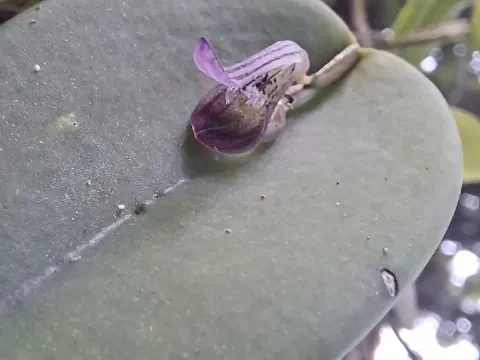
Acianthera
Acianthera
Acianthera is a vast genus of epiphytic and lithophytic plants belonging to the Orchidaceae family. In their natural habitat, these plants are primarily found in tropical and subtropical regions of Central and South America, favoring moist mountain forests.
What the section contains


Acianthera
Biologically, these orchids are characterized by a compact structure, short creeping rhizomes, and dense, often fleshy leaves. The inflorescences usually bear a series of small but intricately colored flowers, making the culture a point of interest for orchid enthusiasts.
Successful cultivation of Acianthera requires bright, indirect light, avoiding direct exposure to harsh sun rays. The optimal temperature range is between 18°C and 24°C, with high importance placed on ensuring proper air circulation around the root system.
The growing substrate must be highly breathable, consisting of conifer bark, charcoal, and sphagnum moss. Maintaining moderate moisture levels is essential, while preventing waterlogging, which often leads to rapid root rot.
The economic use of this genus is limited to decorative floriculture and hybrid breeding. In indoor environments, these plants are frequently mounted on cork oak bark slabs, mimicking their natural habitat conditions as closely as possible.
The primary pests affecting this culture are spider mites and scale insects, which tend to proliferate rapidly in low-humidity indoor conditions. Regular leaf wiping and the application of appropriate insecticides help control pest populations effectively.