
Anacamptis israelitica
Anacamptis israelitica
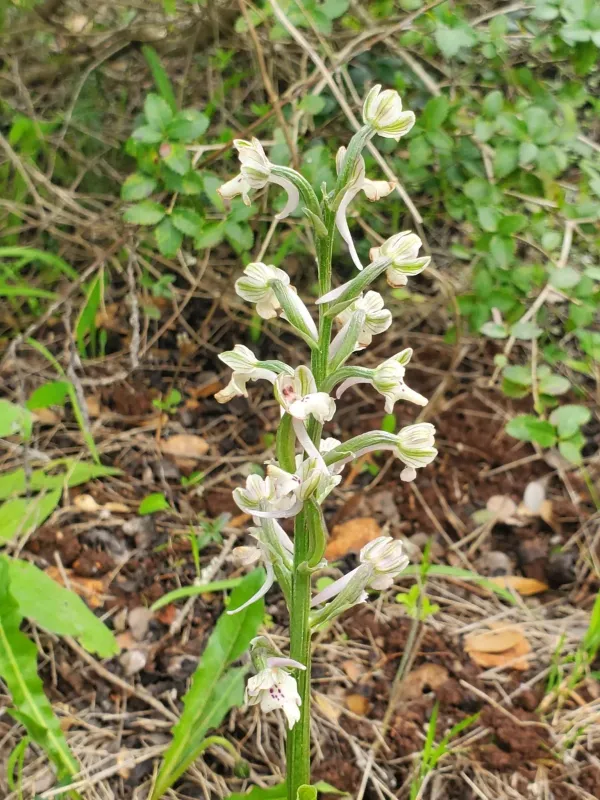
Description
Growing requirements
Anacamptis israelitica is a rare orchid species belonging to the Orchidaceae family. It is an endemic plant native to the Mediterranean-type ecosystems, primarily found in Israel, where it thrives in specific limestone-based soil conditions.
The plant exhibits a unique growth pattern, relying on underground tubers to survive the hot and dry Mediterranean summer. Its inflorescence is typically a compact spike with small, distinct flowers that attract specialized pollinators during the active spring growth period.
Successful cultivation of this species is extremely difficult because it requires a precise symbiotic relationship with specific soil fungi. These fungi are essential for the germination of seeds and the overall nutrient uptake process of the plant throughout its life cycle.
In terms of agricultural use, this species is not a crop. It is considered a botanical treasure, and research is focused mainly on its conservation and understanding its specialized ecological needs within its native habitat.
The plant demands high levels of sunlight during its active vegetative phase and a well-drained substrate that mimics the rocky, calcareous soils of its natural environment to prevent root rot and ensure proper gas exchange.
Main diseases and pests
The primary threat to Anacamptis israelitica is habitat loss due to land development, urbanization, and agricultural expansion, which directly destroy the specific ecological niches where the plant grows.
Climate change poses a severe risk to the species, as irregular rainfall patterns disturb the delicate timing of its vegetative cycle, leading to reduced flowering and poor seed set.
Fungal pathogens and root rot are common issues if the plant is kept in environments with excessive moisture or poor aeration, which is detrimental to its tuber health.
Invasive species that outcompete the orchid for limited resources in the Mediterranean scrubs represent a constant pressure on the remaining wild populations.
Human activities, such as indiscriminate grazing or the modification of terrain for agricultural purposes, lead to soil compaction and the destruction of the underground network of tubers and fungi.