
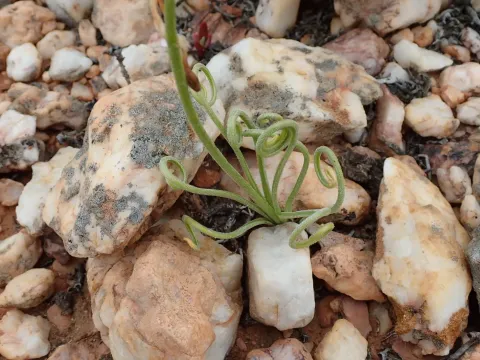
Albuca spiralis
Albuca spiralis
Albuca spiralis is a bulbous ephemeral that follows a specific seasonal growth cycle. The best time for sowing seeds is in late winter or early spring, when daylight hours begin to increase significantly.
What the section contains
Albuca spiralis
Seeds should be sown in a light, well-draining substrate consisting of a mix of sand, perlite, and potting soil. The seeds require shallow planting, just 2–3 millimeters deep, to ensure they receive sufficient light for germination.
Seed trays must be covered with glass or plastic film to maintain stable humidity levels. It is essential to keep the temperature around 20–22 degrees Celsius until the first sprouts emerge.
Once germinated, the cover is gradually removed to acclimate the seedlings to room conditions. Pricking out is performed after the first pair of true leaves appears, moving the young plants into individual small pots.
The growth rate is relatively slow, and the characteristic spiral shape of the leaves typically develops a few months after the initial germination phase.
Albuca spiralis belongs to the Asparagaceae family and is native to the arid regions of South Africa. As a succulent, it thrives in open, sunny locations with high light intensity.
For successful cultivation, loose, highly permeable soil is necessary. Using heavy or overly nutrient-rich soil leads to bulb rot, which is the most frequent cause of plant mortality for this species.
The temperature regime should be moderate. Active growth occurs during the cooler months, while the plant enters a dormant phase in the summer and may lose its foliage completely during extreme heat.
Watering must be strictly regulated; provide moisture only after the substrate has dried out completely. During the summer dormancy, watering should be minimized to simulate its natural desert habitat.
Adequate ventilation is crucial for this plant, as stagnant, humid air promotes fungal infections around the neck of the bulb and the base of the leaves.
Fungal infections due to excess substrate moisture pose the greatest threat to Albuca spiralis. Root rot can destroy the bulb within days if the watering schedule is not strictly followed.
Pests such as spider mites and mealybugs can infest the plant, particularly if it is kept in an environment with very dry air and poor air circulation.
To control pests, specialized insecticides can be used, or the leaves can be wiped down with a mild alcohol solution. Treatment must be performed carefully to avoid damaging the fragile, coiled foliage.
Disease prevention involves using sterilized soil during planting and ensuring a reliable drainage layer at the bottom of the container. Avoid getting water into the center of the rosette.
If signs of rot appear on the bulb, cease watering immediately, remove the plant from the pot, treat affected areas with fungicides, and prune away any dead or necrotic root tissue.
The agricultural or хозяйственное use of Albuca spiralis is limited to decorative horticulture and the collection of exotic botanical species. Traditional harvesting is not applicable, but division of the bulb clusters is possible.
Propagation through bulb division is best carried out during the dormant phase when the plant is at its lowest level of vegetative activity. This allows for the safe expansion of the collection.
When dividing, allow the soil to dry slightly, then carefully clean the root system. Any cuts or separated bulb scales should be dusted with crushed charcoal to prevent infection before replanting in fresh medium.
Seeds are harvested after the flower stalk has completely withered and dried. The seed pods are carefully opened, and the seeds are stored in a dark, cool place until the next sowing season.
Due to the high aesthetic value of its spiral leaves, this plant is popular in interior design, and the primary result of cultivation is a healthy, visually appealing plant ready for display.