
Albuca namaquensis
Albuca namaquensis
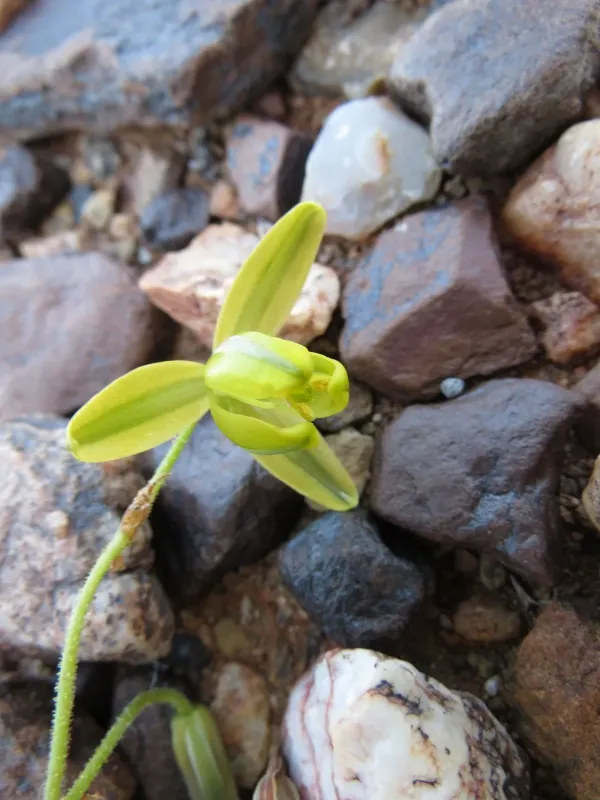
Description
Growing requirements
Albuca namaquensis is a distinctive bulbous plant belonging to the Asparagaceae family, native to the arid Namaqualand region of South Africa. It is widely recognized for its unique, corkscrew-shaped foliage that curls tightly under dry conditions.
To cultivate this plant successfully, it requires intense light exposure, mimicking its natural desert environment. In indoor settings, placing the plant on a south-facing windowsill is essential to maintain its characteristic spiral leaf structure.
Soil composition must prioritize drainage above all else. A standard mix for this crop includes high ratios of coarse sand, pumice, or perlite mixed with a small portion of mineral-based potting soil to prevent water retention around the bulb.
Proper agronomic management involves a strict dormant cycle. During the hot season, the plant enters a period of dormancy, and watering should be completely withdrawn to prevent the bulb from rotting in the heat-moisture combination.
The primary economic use of this plant is in the ornamental horticulture industry. It is highly valued by succulent collectors and landscape architects for its sculptural appearance, making it a staple in modern xeriscaping and container displays.
Main diseases and pests
The most common threat to this crop is fungal rot caused by overwatering or poor soil aeration. Once the bulbous tissue is compromised by constant dampness, the plant often cannot be recovered, necessitating strict adherence to dry-rest periods.
Insects like mealybugs and spider mites represent the main pest threats, especially when grown in indoor greenhouse environments. Frequent monitoring and application of appropriate systemic pesticides are standard practices for maintaining a healthy collection.