
Anthericum baeticum
Anthericum baeticum
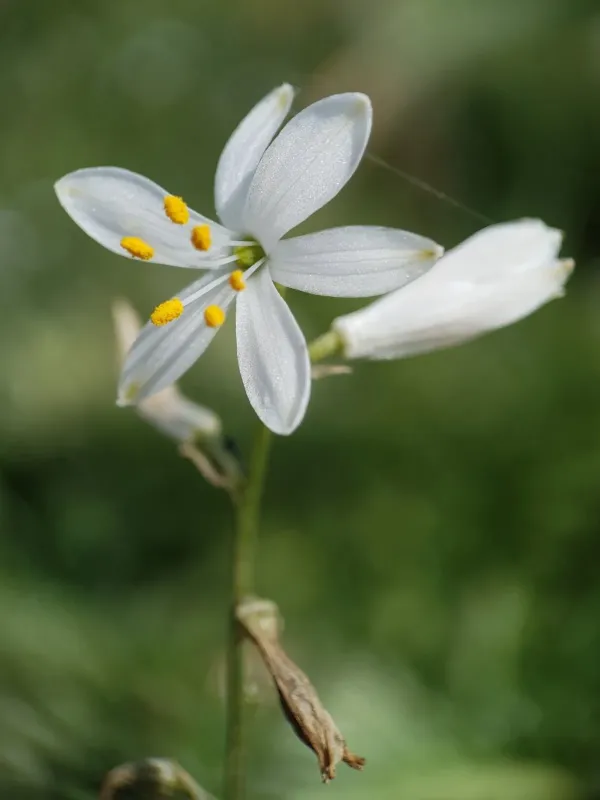
Description
Growing requirements
Anthericum baeticum is a perennial herbaceous plant belonging to the Asparagaceae family. Originating from the southern regions of the Iberian Peninsula, it thrives in environments that demand resilience and adaptation to harsh sunlight.
The plant features a basal rosette of narrow leaves and elegant, white inflorescences that appear during the flowering season. It is a highly valued ornamental species for enthusiasts of Mediterranean-style landscapes and rock gardens.
Soil requirements for this species are specific: it strictly demands well-draining, rocky, or sandy soil. It is particularly intolerant to waterlogging, as the root system is adapted to aerated and nutrient-poor substrates.
Regarding climate, the plant exhibits excellent drought tolerance, making it an ideal choice for dry gardens. Full sun exposure is essential for maintaining the plant's structural integrity and ensuring vigorous annual blooming.
Cultivation should focus on replicating its natural habitat. Regular maintenance is minimal, provided that the soil conditions allow for quick water percolation after rain or irrigation, preventing any stagnation around the crown.
Main diseases and pests
The primary threat to Anthericum baeticum is root rot caused by poor soil drainage. When the moisture levels remain too high, the roots quickly deteriorate, leading to the rapid decline of the entire plant.
Pests such as slugs and snails are significant threats to the foliage, especially in moist spring conditions. These mollusks can consume large portions of the leaves, significantly impacting the aesthetic value of the garden specimen.
Aphid infestations can occur if the plant is grown in poorly ventilated areas or if it is subjected to excessive fertilization, which softens the plant tissues and makes them more attractive to sucking insects.
Fungal pathogens may invade the leaves if irrigation practices involve overhead watering, which promotes humidity trapped between the leaf bases. Always irrigate the soil directly at the base rather than wetting the foliage.
To ensure long-term health, growers should maintain adequate spacing between plants to allow for airflow. This simple practice significantly reduces the risk of fungal spread and promotes healthier growth patterns throughout the season.