
Albuca nelsonii
Albuca nelsonii
Description
Growing requirements
Albuca nelsonii is a perennial bulbous plant belonging to the Asparagaceae family. It originates from the Eastern Cape region of South Africa, where it thrives in rocky, well-drained grasslands and temperate mountain slopes.
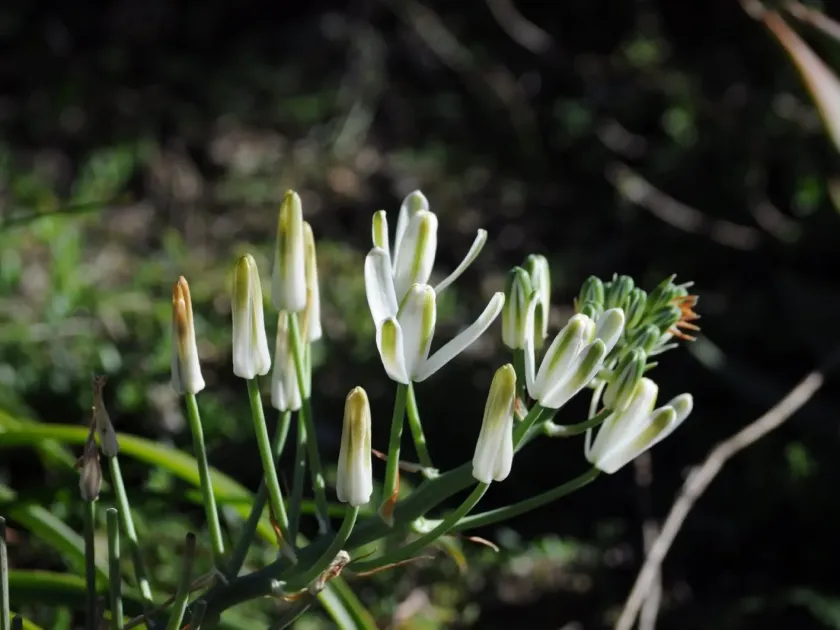
Botanically, the plant is characterized by a large, persistent bulb that supports a dense rosette of long, succulent, dark green leaves. The inflorescence is a raceme that rises above the foliage, displaying elegant white flowers with distinct green longitudinal bands, appearing usually in late spring or summer.
In terms of cultivation, Albuca nelsonii requires a gritty, fast-draining soil mix to prevent rot. The plant prefers full sun exposure to maintain its compact growth form and to encourage healthy flowering cycles throughout the season.
Regarding climate, this species is relatively hardy but requires a distinct dry rest period after the foliage begins to wither. During the growth phase, it appreciates moderate watering, but it is essential to allow the growing medium to dry out significantly between watering sessions.
The primary horticultural use of this plant is ornamental, prized for its architectural foliage and long-lasting, fragrant blooms. It is often employed in xeriscaping or as a container specimen in climates that do not experience severe frost, adding an exotic element to gardens and sunrooms.
Main diseases and pests
The main threat to the health of Albuca nelsonii is fungal root rot caused by poor soil drainage and waterlogging. Ensuring the bulb is planted in a porous substrate is the most effective measure to mitigate this risk.
Pests that may occasionally affect the plant include mealybugs and aphids, which often colonize the leaf axils. In greenhouse settings, spider mites can also be problematic if the humidity levels remain consistently too low for the plant's requirements.