
Anemarrhena asphodeloides
Anemarrhena
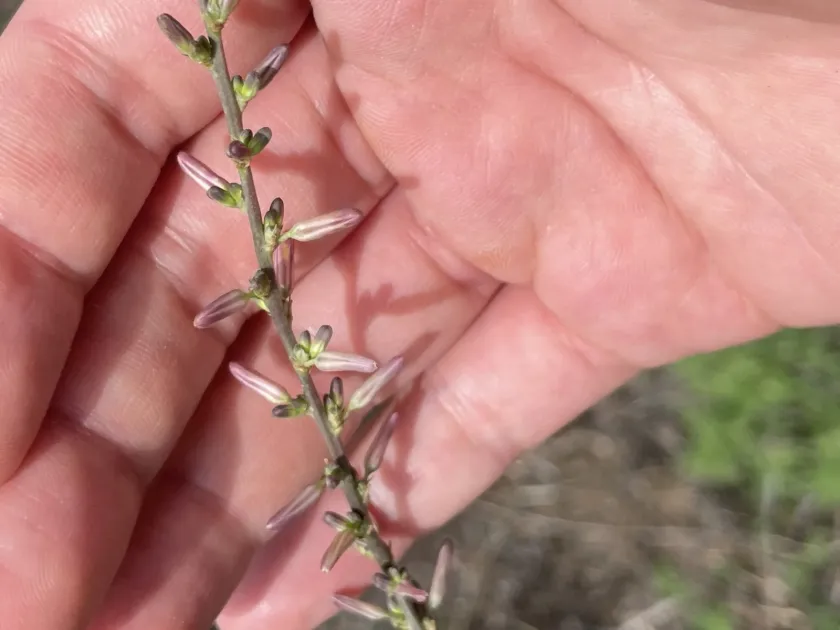
Description
Sowing dates
The seeds of Anemarrhena asphodeloides are typically sown in the spring once the soil temperature reaches 12–15 degrees Celsius. The optimal planting period is generally from late April to early May, depending on the climatic conditions of the cultivation zone.
Before sowing, it is highly recommended to stratify the seeds for 30–45 days at cool temperatures to improve germination rates. Seeds should be sown at a shallow depth of 1–2 centimeters to ensure healthy seedling emergence.
When sowing in rows, a spacing of 40–50 centimeters between rows is advisable to provide sufficient growing space for root development. The recommended seeding rate is approximately 1–1.5 grams per square meter of cultivated land.
Seedlings develop slowly, so maintaining optimal soil moisture during the first few weeks is essential. Once the plants develop 3–4 true leaves, thinning is performed to maintain a spacing of 15–20 centimeters between plants within the rows.
As this is a perennial crop, correct planting density is critical for long-term farm productivity. A density of 200,000 to 250,000 plants per hectare is considered standard for maximizing yields in commercial operations.
Growing requirements
Anemarrhena asphodeloides belongs to the Asparagaceae family and is native to East Asia. It thrives in sunny, well-lit environments, as excessive shading can cause the stems to stretch and reduce the concentration of active medicinal compounds in the rhizomes.
The plant is not highly demanding regarding soil type, but it performs best in light, sandy, or loamy soils with excellent drainage. Waterlogging must be strictly avoided, as it significantly increases the risk of rhizome rot and fungal infections.
The ideal soil pH is neutral or slightly acidic. Applying organic fertilizer prior to tilling improves soil structure and provides the necessary nutrients for robust rhizome expansion during the growth period.
This crop is highly cold-tolerant and survives winter conditions well. The most vital aspect of its agricultural care is aggressive weed control, especially during the first year of growth when the young plants are more vulnerable to competition.
While mature plants are quite drought-tolerant due to their deep root system, supplementary irrigation is recommended during dry spells, especially in the early stages of vegetation to support biomass accumulation.
Yield
The economic value lies in the rhizomes, which are typically harvested after 3–4 years of growth when the concentration of saponins and other compounds peaks. Well-managed plantations can yield between 2 and 4 tons of dried rhizomes per hectare.
Total yield is highly dependent on effective weed management and soil fertility levels throughout the multi-year cycle. Consistent maintenance of the fields is necessary to ensure the rhizomes reach their maximum size and potency.
Post-harvest, the rhizomes must be cleaned and dried at temperatures not exceeding 50 degrees Celsius to preserve medicinal properties. Proper processing ensures the final product is clean, light-colored, and retains its characteristic bitter quality.
Plantations can remain productive for up to five years if managed with appropriate crop rotation practices. Avoiding premature harvesting is essential for maintaining the standard quality of the final herbal raw material.
Productivity also depends on minimizing mechanical damage during the digging phase. Careful handling ensures that the roots remain intact, which is a key factor in market grading and buyer preference.
Main diseases and pests
Root rot is the most significant threat to the crop, usually caused by improper soil moisture management or poor field drainage. Symptoms include leaf yellowing and the eventual death of the underground rhizome system.
Pests like wireworms pose a consistent problem, as they bore into the rhizomes and degrade the quality of the raw material. Larvae of the common cockchafer can also cause localized damage to the plantation.
In hot and humid weather, fungal leaf spots may emerge. Preventive measures, including regular field inspections and the use of targeted biological fungicides, are effective ways to mitigate the spread of these pathogens.
Strict crop rotation is mandatory to prevent the build-up of soil-borne diseases. Avoiding planting in fields previously used for similar susceptible crops significantly lowers the risk of large-scale infection.
Early identification and removal of infected plants can prevent the spread of diseases within the row. Implementing an integrated pest management plan is the best strategy for a healthy and profitable harvest.
Harvesting
Harvesting is performed in the autumn after the aerial parts of the plant have naturally withered, signaling the translocation of nutrients into the rhizomes. This timing is critical for obtaining high-quality material.
Mechanical digging is typically carried out using specialized plows or potato-harvesting equipment, adjusted to a depth of 25–30 centimeters. Precision in mechanical setup is required to avoid cutting or bruising the valuable roots.
After excavation, the rhizomes are washed in running water to remove dirt and debris. Smaller side roots are trimmed off to ensure a clean appearance and to meet standard market requirements for medicinal herbs.
Drying is performed in stages, starting with shade-drying in the open air, followed by final moisture reduction in industrial drying rooms. The rhizomes are considered ready when they become brittle and snap upon bending.
Final storage requires a low-humidity environment away from direct sunlight to prevent degradation. Properly stored raw material can maintain its potency for extended periods, making it ready for distribution and trade.