
Albuca unifoliata
Albuca unifoliata
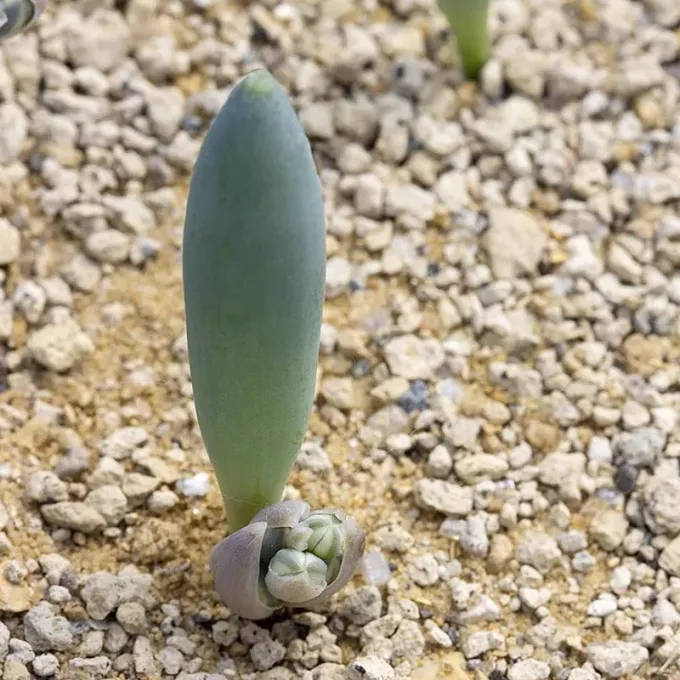
Description
Sowing dates
Propagation of Albuca unifoliata is typically performed by separating offsets or daughter bulbs from the main bulb during the dormant period. This is the most reliable method for maintaining the characteristics of the mother plant.
Seed propagation is also possible but requires precise temperature control. Seeds should be sown in a well-draining, sandy mix during late winter to early spring.
Keep the sowing tray in a warm area with temperatures around 20–22 degrees Celsius and maintain consistent soil moisture until germination occurs.
Once seedlings emerge, they need high levels of light to prevent etiolation. Thinning or transplanting should only be done once the plants are robust enough to handle the stress.
Young specimens grow very slowly, so it is important to provide stable conditions and avoid disturbing their root systems during the early stages of development.
Growing requirements
Albuca unifoliata is a member of the Asparagaceae family native to the arid regions of South Africa. It is highly specialized to thrive in environments with seasonal rainfall.
The plant requires a fast-draining substrate. A mix of pumice, coarse sand, and a small amount of organic potting soil is ideal for preventing water stagnation.
Bright, direct sunlight is essential for healthy growth. If light levels are insufficient, the leaves may lose their compact habit and become weak or floppy.
Temperature management is key: the plant prefers warm conditions during its growth phase but requires a cooling period in winter to prepare for the next flowering cycle.
Watering should be strictly regulated. Always allow the substrate to dry out completely between waterings, and significantly reduce moisture during the plant's dormancy.
Main diseases and pests
The most common cause of plant failure is overwatering, which leads to bulb rot and fungal infections in the root zone, often causing irreversible damage.
Mealybugs are the primary pest concern for this species. They frequently infest the leaf axils, making regular inspection a necessity for early detection.
Poor ventilation can promote fungal pathogens and bacterial growth on the soil surface, which can quickly spread to the sensitive tissues of the bulb.
Spider mites may become a problem in environments with extremely low humidity, leading to leaf discoloration and a decline in the plant's vigor.
Maintaining good airflow and practicing disciplined irrigation schedules are the most effective ways to prevent these threats without relying on heavy chemical treatments.