
Voyria
Voyria
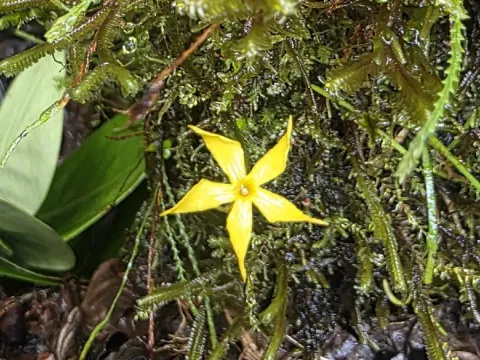
Voyria is a genus of achlorophyllous herbaceous plants belonging to the Gentianaceae family. These plants are unique mycoheterotrophs, which rely entirely on parasitic relationships with fungi that are in turn associated with the roots of forest trees, meaning they do not perform photosynthesis.
What the section contains

Voyria
The native habitat of Voyria is primarily located in the tropical regions of the Americas, spanning Central and South America. They thrive in primary forests where thick leaf litter provides the damp, shaded, and stable environment necessary for the survival of their fungal host networks.
Botanically, these plants are distinguished by their lack of green pigmentation, resulting in stems and scale-like leaves that appear white, yellow, or pinkish. The root systems are highly specialized, forming complex interfaces with fungal hyphae to extract carbon and nutrients from the soil fungal network.
Environmental requirements for Voyria are extremely specific, revolving around the health of the tropical forest ecosystem. They demand consistently high humidity, stable tropical temperatures, and the presence of compatible fungal partners, making them indicators of undisturbed forest environments.
It is important to note that Voyria is not a commercial or agricultural crop. Due to its complex symbiotic dependence on subterranean fungi, the plant cannot be cultivated in fields or greenhouses, as it is biologically impossible to replicate its specific niche outside of the natural tropical wilderness.