
Voyria rosea
Voyria rosea
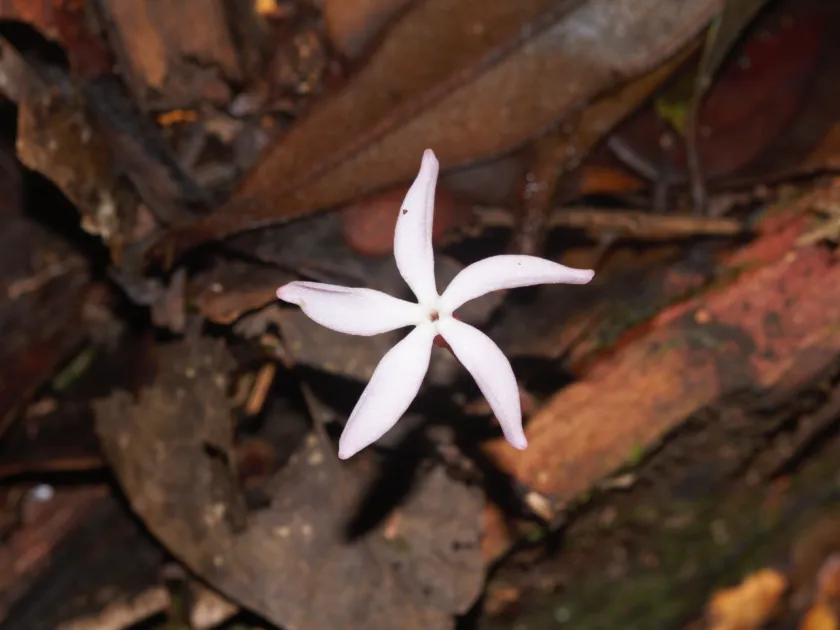
Description
Growing requirements
Voyria rosea is a fascinating mycoheterotrophic plant belonging to the Gentianaceae family. It is distinct due to its total lack of chlorophyll, which means it cannot perform photosynthesis to generate its own energy.
Instead, this plant derives all its essential nutrients from fungal mycelium through a complex symbiotic relationship. Consequently, it is not an agricultural crop and does not have any cultivation guidelines or agronomic practices.
The plant is native to the humid tropical forests of Central and South America. It thrives in habitats characterized by deep leaf litter and high organic matter content, where fungal networks are highly developed.
Requirements for the plant include a strictly stable microclimate with high humidity and consistent temperatures. It cannot survive outside of its specialized forest ecosystem where the fungal host is present.
Botanically, Voyria rosea is characterized by delicate, often pink-colored flowers that emerge from the forest floor. The lack of roots for nutrient absorption necessitates a reliance on the fungal partners, making its growth habits entirely unique compared to autotrophic plants.
Main diseases and pests
The primary threat to the survival of Voyria rosea is deforestation. Clearing tropical forests leads to the desiccation of the leaf litter layer, which destroys the delicate fungal connections essential for the plant's life cycle.
Soil degradation and agricultural encroachment near forest edges pose significant risks by altering the subterranean environment that the plant depends on for nutrient acquisition.
There are no pests or diseases in the agricultural sense because the plant is not farmed. However, any fungal diseases that impact the specific mycorrhizal host species will inevitably result in the death of the plant.
Invasive plant species that alter the nutrient cycling in the soil may indirectly inhibit the growth of the fungi required by Voyria rosea, thereby forcing the plant out of its established habitats.
Global climate changes, specifically shifts in rainfall patterns, represent a long-term danger by affecting the forest floor moisture required to support both the plant and its symbiotic partners.