
Titanotrichum
Titanotrichum
Titanotrichum is a monotypic genus of flowering plants belonging to the Gesneriaceae family. This unique botanical specimen is primarily native to East Asia, including regions such as Taiwan and southern China.
What the section contains

Titanotrichum
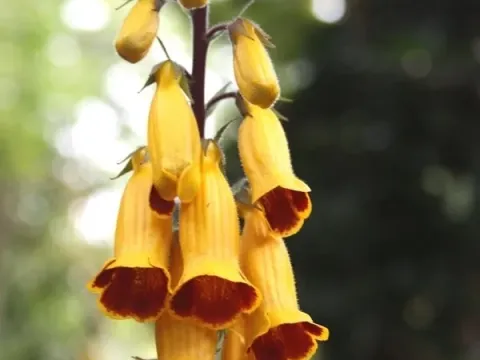
The plant is known for its distinct yellow, bell-shaped flowers with reddish-brown throats. Botanically, it is recognized for having scaly rhizomes that allow the plant to store energy and survive dormant periods under favorable natural conditions.
To successfully cultivate Titanotrichum, growers must provide a well-draining, humus-rich soil substrate. The plant thrives best in a humid, temperate environment, mimicking the conditions of its native subtropical forest floor.
Light requirements for this species involve filtered or indirect sunlight, as direct exposure can severely damage the foliage. Consistent moisture is essential, but the substrate must never become waterlogged to prevent root health issues.
Agricultural management of Titanotrichum focuses on temperature stability and humidity control. The plant does not tolerate extreme temperature fluctuations, making it ideal for greenhouses or controlled indoor environments where conditions can be regulated.
Spider mites are the most common pests affecting Titanotrichum, especially in indoor environments where low humidity levels are prevalent.
Mealybugs can often be found hiding in the leaf axils or near the base of the stems, requiring consistent monitoring and physical or chemical intervention when detected.
Root rot is a major threat caused by improper watering practices or the use of heavy, non-porous potting media that retains excessive moisture.
Fungal infections, such as Botrytis, can attack the flowers and leaves if the plants are placed in areas with stagnant air and poor ventilation.
Prevention involves ensuring adequate spacing between plants and maintaining a clean growing environment to mitigate the risk of pathogen spread.