
Titanotrichum oldhamii
Titanotrichum oldhamii
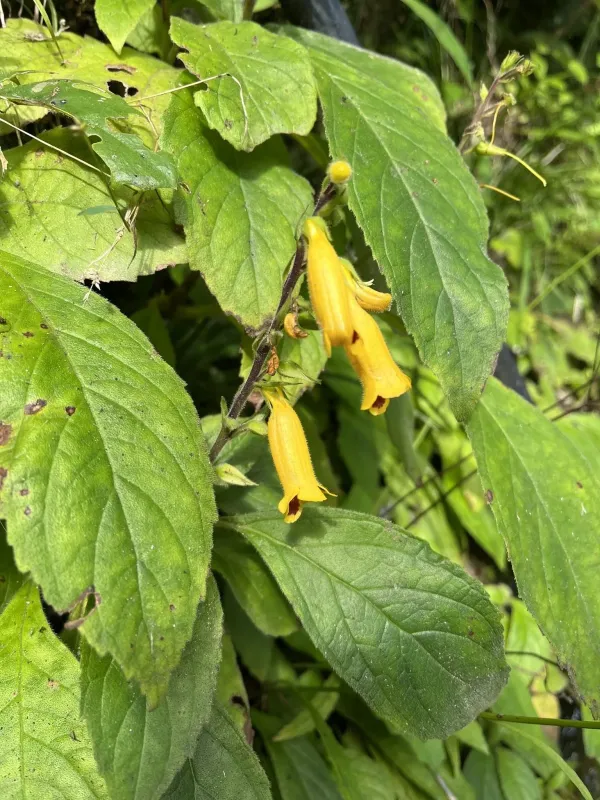
Description
Sowing dates
Propagation of this culture for agricultural and decorative purposes is carried out mainly through cuttings or division of rhizomes. Sowing seeds is a labor-intensive process due to their extremely small size, typical for the Gesneriaceae family.
The optimal time for vegetative propagation is the spring period when the plant emerges from dormancy. Cuttings are planted into moist, loose substrate with high peat content, ensuring a stable temperature.
When propagating by seeds, sowing is performed on the surface of the soil without deep burial. The containers are covered with clear plastic to create a greenhouse effect and maintain humidity, which is critical for germination.
Seedlings require pricking out after the formation of two to three true leaves. It is important to provide them with diffused light, avoiding direct sunlight, which can cause burns on the tender tissues.
Acclimatization of young plants to outdoor or greenhouse conditions occurs gradually. Hardened specimens are planted in their permanent location only after stable warm weather is established with no risk of frost.
Growing requirements
Titanotrichum oldhamii prefers areas protected from direct sunlight, making it ideal for semi-shaded gardens. The plant is extremely sensitive to sudden temperature changes and drafts.
The soil mixture must have excellent drainage properties, be rich in organic matter, and have a slightly acidic reaction. Water stagnation in the root zone is unacceptable, as it leads to rapid rotting of the fleshy roots.
The culture requires regular but moderate watering. During the active growth period, the substrate should remain slightly moist, but by winter, watering is gradually reduced to prepare the plant for the dormant phase.
For successful development, increased air humidity is necessary. In dry climatic conditions, it is recommended to use humidifiers or spray the space around the plant, avoiding water droplets on the leaves.
Mineral fertilizers are applied during the active vegetation phase at intervals of two weeks. Specialized complex fertilizers for flowering ornamental crops with low salt content are used.
Main diseases and pests
The main threat to the culture is root rot caused by waterlogging of the soil. When affected by fungal pathogens, the plant quickly loses turgor and dies.
Among pests, spider mites and mealybugs cause the most damage. They feed on the cell sap of the leaves, which leads to deformation of the leaf blade and loss of aesthetic appeal.
Prevention includes regular inspection of the plants and maintaining proper ventilation in the room or greenhouse. Stagnant air contributes to the rapid reproduction of insect pests.
When pests are detected, systemic acaricides and insecticides are applied. It is important to treat all nearby plants to prevent the colony from spreading.
Adhering to quarantine measures when purchasing new planting material significantly reduces the risk of introducing diseases into the collection. Isolating newcomers for two weeks is mandatory.
Harvesting
Titanotrichum oldhamii is not a food crop; therefore, the concept of harvesting applies exclusively to the process of collecting seed material for future cultivation.
Seeds are collected after the capsules are fully ripe, when they begin to dry out and change color. It is important to collect them before they naturally open and spill out.
After collection, the seed material is dried in a dark, dry place with good ventilation. This prevents the development of mold and increases the germination percentage during subsequent sowing.
Seeds are stored in airtight paper bags at a low temperature. Their viability period is limited, so it is recommended to use the fresh harvest.
At the end of the season, the above-ground part of the plant often dies off, which is a natural development cycle. During this period, care is limited to preserving the viability of the rhizomes in a cool place until spring.