

Crop
Dalmatian chrysanthemum
Tanacetum cinerariifolium (Trevir.) Sch. Bip.
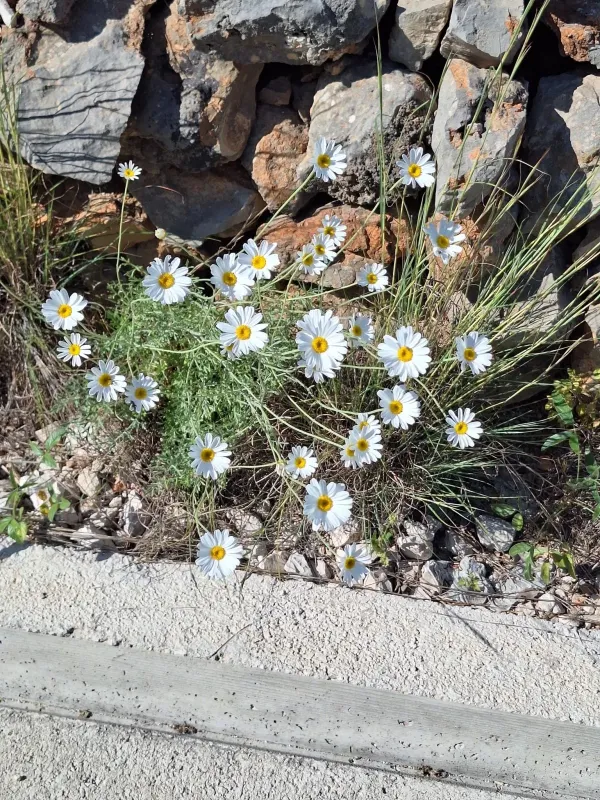
Description
Sowing dates
The sowing of Dalmatian chrysanthemum is typically carried out in spring when soil temperatures reach 12–15 degrees Celsius. April or early May is considered the ideal time for direct field sowing, allowing the plants to establish strong root systems before the heat of summer.
For seedling production, sowing begins as early as February or March in greenhouses using a light, nutrient-rich substrate. Seeds of this culture have a long germination period, so maintaining consistent moisture levels in the seed trays is critical for success.
Seedlings emerge within 14–20 days under temperatures between 18 and 22 degrees Celsius. After the first pair of true leaves develops, the seedlings are transplanted into individual pots to encourage the growth of a robust and healthy root system.
Transplanting hardened seedlings into the field occurs after the last risk of night frosts, usually in late May. The plants are spaced 40–50 cm apart in rows, which ensures optimal air circulation and facilitates easy access for regular maintenance tasks.
As a perennial member of the Asteraceae family, proper site selection for this crop is essential for its long-term viability. A well-planned sowing strategy ensures the productivity of the plantation for several consecutive years.
Growing requirements
The Dalmatian chrysanthemum is a light-loving plant that requires fully exposed, sunny locations to thrive. Shaded conditions lead to a significant decrease in the concentration of insecticidal compounds in the flower heads, rendering industrial cultivation inefficient.
The crop prefers light, well-drained calcareous soils with a neutral or slightly alkaline pH. Heavy clay and waterlogged soils are detrimental, as they often cause root rot and increase the risk of winter kill during colder months.
This plant exhibits high drought resistance, attributed to its characteristic silvery-pubescent leaves. Excessive watering during the flowering period is discouraged, as it negatively affects the accumulation of pyrethrins within the flower heads.
Optimal growth occurs at temperatures between 20 and 25 degrees Celsius, though the plant is capable of surviving minor temperature fluctuations. In regions with harsh winters, additional protection is necessary to preserve the health of the plantation.
Agricultural maintenance includes regular inter-row cultivation to conserve soil moisture and ensure adequate root aeration. Application of phosphorus and potassium fertilizers effectively boosts flower production and enhances the overall vigor of the plants.
Yield
The yield of the Dalmatian chrysanthemum depends heavily on the age of the plantation, soil fertility, and sunlight exposure. Maximum productivity is typically observed during the second and third years of the plant's life cycle.
When all agricultural requirements are met, a yield of 8 to 12 centners of dried flower heads per hectare can be expected. This harvested material serves as the primary source of natural pyrethrins, which are potent contact insecticides.
The concentration of active ingredients varies depending on the development stage. Peak concentrations are achieved when flowers are fully open but before the pollen has shed, making precise timing of the harvest essential.
To ensure consistently high yields, growers must conduct effective weed control, as invasive plants compete for vital light and nutrients. Post-harvest cleaning of the raw material is mandatory to remove debris and ensure market-ready quality.
Plantations generally become less productive after 5–7 years, at which point the area should be cleared and replanted. Replacing older crops with new seedlings is a standard practice to maintain stable production of high-quality active ingredients.
Main diseases and pests
The primary threats to the Dalmatian chrysanthemum include fungal diseases that flourish in high-humidity conditions. Powdery mildew and various leaf spots can significantly reduce the photosynthetic area, weakening the plants and lowering their yields.
Root rot is a critical threat, often resulting from poor agricultural management or standing water in the root zone. Prevention strategies focus on site selection and ensuring proper drainage to avoid these common but damaging soil-borne pathogens.
Pests such as aphids and spider mites frequently attack young leaves and flower buds, feeding on cell sap. Severe infestations cause deformation of stems and flowers, which directly impacts the quality of the harvested medicinal raw material.
Soil-dwelling larvae, such as wireworms, can damage the root systems of young plantations. Integrated pest management, including deep tillage and crop rotation with cover crops, is used to disrupt the lifecycle of these harmful soil insects.
Regular monitoring and the use of approved, safe pest control products help keep plantations healthy. It is vital to strictly observe pre-harvest intervals to ensure the final product remains free of harmful residues.
Harvesting
Harvesting the flower heads of the Dalmatian chrysanthemum is the most critical phase of the production cycle. The optimal time for harvesting is when the flowers are fully expanded and the ray florets are positioned horizontally.
For large-scale operations, specialized harvesters or mechanical combs are used to gather the flower heads efficiently. Hand harvesting is preferred on smaller plots, as it allows for the careful selection of high-quality blooms without unnecessary plant material.
The harvested material must be dried immediately to prevent fermentation and the degradation of valuable pyrethrins. Drying should take place in well-ventilated areas or specialized dryers at temperatures not exceeding 45 degrees Celsius.
Once dried, the raw material undergoes a cleaning process to remove remaining stems, leaves, and dust. A high-quality final product should maintain its characteristic aroma and a high concentration of active compounds for industrial extraction.
Storage must be in airtight containers, away from direct sunlight and moisture to prevent the evaporation of volatile active components. Following these storage protocols ensures the longevity and potency of the harvested crop.
Content graph
Connections · Dalmatian chrysanthemum
Most often together:
Marketplace
Products · 6


Trifluralin 480 g/L, herbicide
F.A.GAN Chemical Manufacturers Ltd. Israel, member
Herbicides
0
0
·
27
1 offer
9.59 €per 1 l
Buy

Patrick C.E.
F.A.GAN Chemical Manufacturers Ltd. Israel, member
Herbicides
0
0
·
41
No offers
—
Details