
Feverfew
Tanacetum parthenium (L.) Sch. Bip.
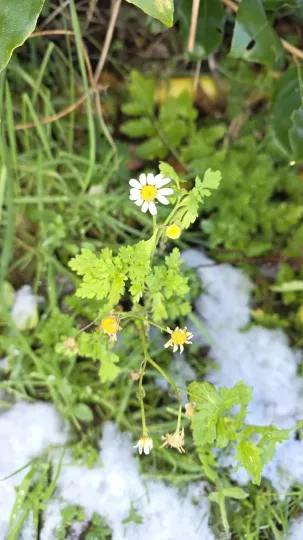
Description
Sowing dates
Feverfew is typically propagated from seeds sown indoors in early spring, specifically in March or April. The seeds are very small and should be surface-sown on a light, moisture-retentive seed-starting mix, barely covered with soil or fine vermiculite.
To ensure successful germination, keep the seed trays in a warm spot with temperatures ranging between 18 and 20 degrees Celsius. Seedlings usually emerge within two to three weeks; once they have sprouted, move them to a cooler, well-lit area to promote healthy growth.
Transplant the seedlings into the garden once the danger of frost has passed, usually in late May or June. Space the plants about 25 to 30 centimeters apart to allow for proper air circulation as the plants mature.
Direct outdoor sowing is possible in late spring once the soil has warmed up, although this method often leads to a later bloom time compared to starting seeds indoors. Fall sowing is also an option in milder climates, as the seeds benefit from cold stratification.
Belonging to the Asteraceae family, feverfew is a perennial herb that is often grown as an annual in colder regions. The plant develops into a bushy, much-branched clump, typically reaching a height of about 50 centimeters with fragrant foliage.
Growing requirements
Feverfew thrives in full sun but will tolerate light, partial shade during the heat of the day. Exposure to ample sunlight is essential for maintaining a compact shape and encouraging a heavy display of daisy-like flowers.
The soil should be fertile, well-draining, and rich in organic matter. Feverfew performs poorly in heavy, clay-based soils that remain waterlogged, which can lead to crown rot and other root-related problems.
Maintain a neutral soil pH to ensure optimal nutrient uptake. Incorporating compost or well-rotted manure before planting will improve soil structure and provide the necessary nutrients for vigorous plant development.
While somewhat drought-tolerant once established, the plant prefers consistent moisture during the growing season. Regular watering is particularly important during dry spells to keep the foliage lush and the flowers productive.
In regions with harsh winters, providing a layer of mulch around the base of the plant can help protect the root system. Ensure that the garden bed is well-drained to prevent the crown from sitting in cold, standing water during the winter months.
Main diseases and pests
Fungal issues, such as powdery mildew, are the most frequent health concerns for feverfew. These diseases are usually triggered by high humidity levels and poor ventilation, appearing as a white, dusty layer on the leaves.
Grey mold may develop if the plants are crowded or if there is excessive rain, leading to rapid decay of the foliage. Pruning out affected sections and spacing plants adequately are the best preventive measures.
Aphids and spider mites are the primary pests that attack feverfew, often gathering on the undersides of leaves. Regular monitoring and the use of horticultural soaps or neem oil can effectively control minor infestations.
Nematodes can occasionally affect the root system, causing general stunting and decline of the plant. Crop rotation is highly recommended to prevent the buildup of soil-borne pests and pathogens over time.
Maintaining a weed-free environment helps keep the plants vigorous and reduces the chances of harboring pests. Clear away any dead plant debris at the end of the season to minimize disease carry-over.
Harvesting
Harvest the flowering tops of feverfew during the height of the bloom season, when the concentration of medicinal compounds is at its peak. Cut the stems neatly above the foliage, taking care to leave enough plant material for continued growth.
Dry the harvested stems in a cool, dark, and well-ventilated area to preserve their quality. Avoid direct sunlight, as UV radiation can break down the essential oils and volatile compounds that give the herb its properties.
Once completely dried, store the herb in airtight containers away from heat and light. Properly stored feverfew can retain its potency for up to two years, making it available for use throughout the off-season.
Deadheading faded flowers not only improves the appearance of the garden but also encourages the plant to produce a second flush of blooms. This simple practice keeps the plants looking tidy and extends the decorative season.
For seed saving, leave a few healthy flowers to mature until they turn brown. Collect the seeds in paper bags and store them in a cool, dry place; they typically remain viable for about three years if kept in proper storage conditions.