
Costmary
Tanacetum balsamita L.
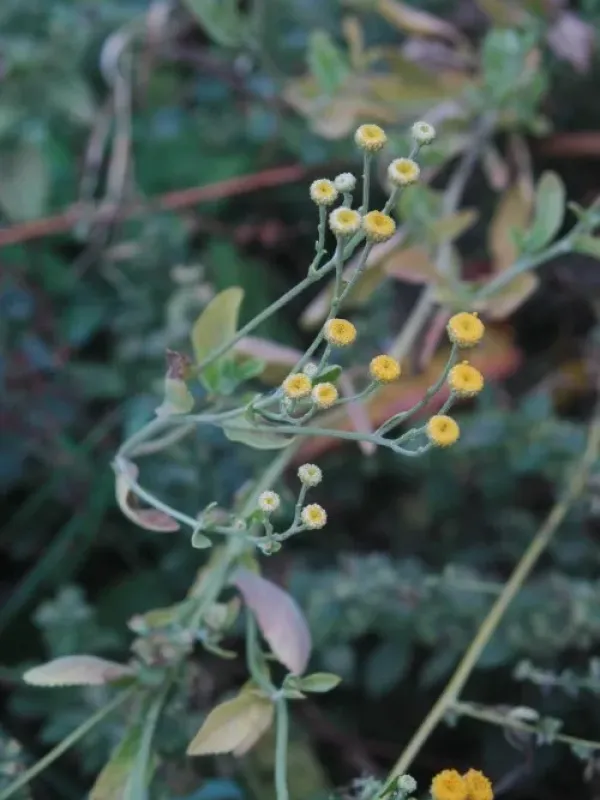
Description
Sowing dates
Costmary (Tanacetum balsamita) is typically propagated either by division of established clumps or by planting seeds. When sowing seeds, it is best to do so in early spring once the soil temperature has reached at least 5-8 degrees Celsius.
Seeds are very small and require light coverage. They should be pressed gently into the soil surface rather than buried deeply to ensure successful germination and emergence.
Division is the preferred method for commercial growers. By dividing mature plants in early spring or late summer, you ensure genetic uniformity and faster establishment of the herb on your land.
Preparing the seedbed is critical. The soil should be well-tilled and free of aggressive weeds, as young costmary seedlings develop slowly and struggle to compete with invasive grass or weeds.
Planting spacing is typically maintained at 45 to 60 centimeters apart. This spacing allows for adequate airflow and provides enough room for mechanical cultivation between the rows during the growing season.
Growing requirements
Costmary belongs to the Asteraceae family and is known for its hardiness and resilience. It is a perennial plant that thrives in a wide range of climates but performs best in well-drained, fertile loamy soil.
Sunlight is a key factor for quality production. While the plant can tolerate partial shade, full sun exposure is necessary to maximize the concentration of essential oils in the foliage.
The plant demonstrates good drought tolerance once established, but for high-yield commercial crops, supplemental irrigation is recommended during hot, dry spells to prevent wilting and maintain vigorous growth.
Soil drainage is perhaps the most critical factor. Costmary does not tolerate "wet feet" or stagnant water in the root zone, which can easily lead to root rot and reduced plant lifespan.
Routine maintenance includes keeping the rows clear of weeds and occasionally applying organic fertilizers or a balanced mineral mix in early spring to support the development of lush, aromatic leaves.
Yield
The yield potential of costmary is high once the perennial root system is fully established, usually by the second or third growing season. Proper field management allows for consistent production over several years.
Farmers can typically expect two full harvests of green mass per season. Depending on local soil fertility and climate, yields can range from 15 to 25 metric tons of fresh material per hectare.
Harvesting for essential oil production requires careful timing. The peak oil content is reached during the full bloom stage; therefore, the harvest should be scheduled to coincide with this biological phase.
The plant has strong regenerative capabilities. After a cut, it quickly produces new basal leaves, allowing for efficient management of the plots and sustained supply throughout the growing season.
Economic viability is supported by the fact that the crop does not need to be replanted annually, reducing total input costs associated with land preparation and sowing in subsequent years.
Main diseases and pests
Costmary is naturally resistant to many pests due to its high concentration of aromatic oils. However, certain conditions can still compromise the health of the plants in a field setting.
Root rot is the most common threat, primarily caused by poorly drained soils or excessive rain. Ensuring proper land slope and drainage is the primary defense against this pathogen.
Rust fungi can occasionally affect the leaves during humid, rainy seasons. Monitoring for orange-colored pustules on the underside of leaves is essential for timely intervention and treatment.
Aphids might infest the succulent growth of young shoots during periods of stress. Integrated pest management, including natural predators, is often sufficient to keep populations at bay.
Maintaining proper plant density is crucial. Overcrowded fields lack sufficient ventilation, creating a microclimate that encourages the spread of fungal diseases among the foliage.
Harvesting
For culinary or aromatic uses, harvesting should be performed before the plant begins to bloom, as the leaves are at their most tender and possess the finest flavor profiles at that stage.
When harvesting for medicinal purposes or essential oil extraction, the entire flowering stem is cut. The stems are typically cut about 10–15 centimeters above the soil level to preserve the crown.
Speed is of the essence after cutting. The green mass should be gathered quickly and removed from direct sunlight to prevent the rapid evaporation of volatile oils and degradation of quality.
Drying must occur in a well-ventilated, shaded area. High heat must be avoided, as it causes the essential oils to evaporate, resulting in a product with reduced therapeutic and culinary value.
Once dried, the product should be stored in airtight containers away from light to preserve its characteristic balsamic aroma and active chemical compounds for long-term storage.