
Silver lace
Tanacetum ptarmiciflorum (Webb & Berthel.) Sch. Bip.
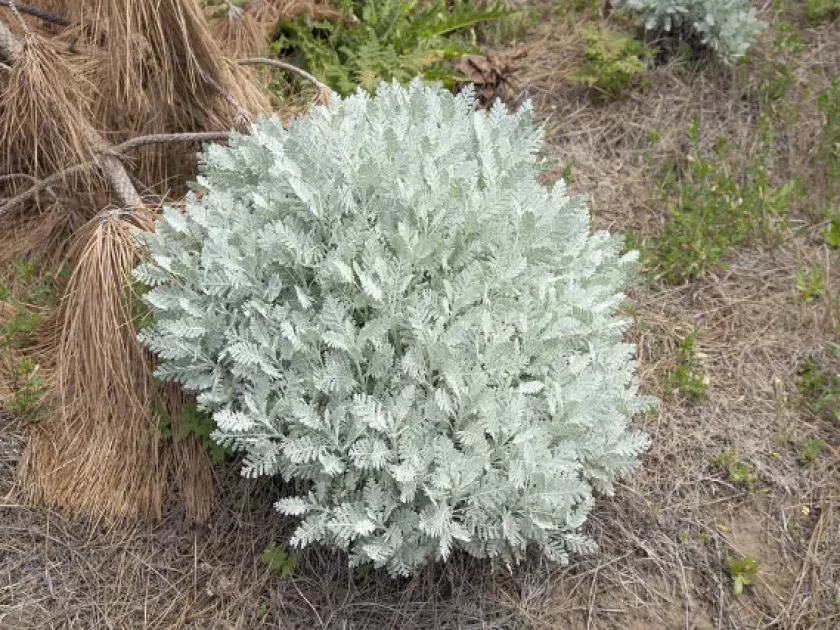
Description
Sowing dates
Seeds of Tanacetum ptarmiciflorum should be sown in late winter or early spring in a seed tray filled with a high-quality, sterile potting mix. Because the seeds are tiny, they should be lightly pressed onto the surface rather than buried deep.
Place the trays in a warm spot with temperatures between 18 and 20 degrees Celsius. Ensure the soil remains consistently moist but not waterlogged, as excess moisture can easily cause the seeds to rot before germination.
Germination usually occurs within two to three weeks. Once the seedlings develop their first true leaves, they should be carefully transplanted into individual pots to allow more space for the root system to expand.
Hardening off the young plants is crucial before moving them outdoors. Gradually introduce them to outdoor conditions over the course of ten days to ensure they can withstand wind and temperature fluctuations.
Direct outdoor sowing is generally unsuccessful in colder climates, so starting indoors is the standard approach for both commercial growers and home gardeners to ensure a consistent crop.
Growing requirements
Silver lace thrives in full sunlight, which is essential for maintaining the intense silver-white color of its foliage. Growing it in partial shade often results in weaker plants with greener, less attractive leaves.
The plant requires extremely well-drained soil to survive, ideally of a sandy or rocky composition. It is highly sensitive to moisture retention, which makes it perfect for rock gardens or well-drained borders.
Once established, the plant exhibits excellent drought tolerance, requiring irrigation only during prolonged dry spells. Overwatering is the most common mistake that leads to plant decline in home gardens.
The ideal soil pH is neutral or slightly alkaline. If the soil is too heavy, amending it with coarse sand or horticultural grit is recommended to prevent the roots from sitting in stagnant water.
Regarding fertilization, moderate feeding is sufficient. Excessive nitrogen should be avoided as it encourages soft growth that is more prone to damage and reduces the plant's natural compact and silvery aesthetic.
Main diseases and pests
Fungal issues such as root rot are the primary threat to Tanacetum ptarmiciflorum, especially in humid or rainy climates. Proper drainage is the single most effective way to prevent these pathogens.
Powdery mildew can affect the foliage during periods of poor air circulation. Thinning out plants and ensuring adequate spacing between them helps to reduce the risk of this common fungal infection.
Aphids can occasionally infest the growing tips in spring. While they rarely cause permanent damage to a healthy, mature plant, they can be treated with insecticidal soap if the population becomes excessive.
Spider mites may occur during very hot, dry summers, particularly in potted plants kept on balconies. Regular misting or increasing airflow around the plant can help deter these small pests.
Good cultural practices, such as removing debris from around the base of the plant and avoiding overhead watering, are the best defense against the majority of pests and diseases that affect this species.
Harvesting
If harvesting for ornamental use, such as dried flower arrangements, the stems should be cut just as the flowers are beginning to open. This ensures the best texture and color retention during the drying process.
Drying should be performed in a cool, dark room with low humidity to preserve the silver pigment of the leaves. Hang the bundles upside down, ensuring enough space between them for air to circulate.
For seed collection, leave the flowers on the plant until they become dry and brownish. Carefully harvest the seed heads and place them in paper bags to finish drying before extracting the seeds.
Regular maintenance pruning during the growing season helps keep the plant compact and encourages new foliage growth. Do not cut back into old wood, as this may hinder the plant's ability to regenerate.
At the end of the season, in colder regions, plants can be lifted and brought into a greenhouse or shed to protect them from severe frost, as the species is not fully hardy in all climates.