
Feverfew
Tanacetum parthenifolium (Willd.) Sch. Bip.
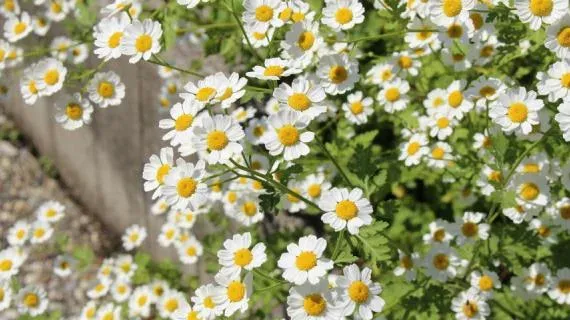
Description
Sowing dates
Feverfew (Tanacetum parthenifolium) belongs to the Asteraceae family. It is typically propagated through seeds, which can be started indoors in trays or sown directly into prepared garden beds.
For indoor starts, sow seeds in late winter or early spring using a lightweight, well-draining seed-starting mix. Feverfew seeds require light for germination, so they should be pressed into the surface rather than buried deep.
Transplant seedlings into the garden once the danger of frost has passed, usually in mid-to-late spring. Space plants approximately 30 cm apart to ensure proper airflow and room for the plants to bush out.
When direct sowing, prepare a fine seedbed and scatter the seeds thinly. Keep the soil consistently moist until germination occurs, which usually takes two to three weeks under warm temperatures.
Once established, the plant often self-seeds. Gardeners should manage this by deadheading spent flowers if they wish to prevent the plant from spreading uncontrollably throughout the landscape.
Growing requirements
Feverfew thrives in full sun but tolerates partial shade. In regions with extremely hot summers, some afternoon shade is beneficial to prevent the foliage from wilting and to keep the flowers fresh longer.
The plant requires fertile, well-draining soil. It is particularly sensitive to waterlogged conditions, which can quickly lead to root rot and other fungal diseases, especially in heavy clay soils.
Maintain a neutral soil pH between 6.0 and 7.0 for optimal growth. Amending the soil with organic matter such as compost before planting will improve structure and provide necessary nutrients.
Regular maintenance includes weeding and occasional mulching to suppress weeds and retain soil moisture. Consistent weeding is essential during the early stages of growth to prevent competition.
While the plant is somewhat drought-tolerant once established, regular irrigation during dry spells will encourage stronger growth and more prolific blooming throughout the summer months.
Main diseases and pests
Feverfew is susceptible to powdery mildew, which appears as a white dusting on the foliage. This often occurs during periods of high humidity and poor air circulation around the plants.
Root rot is a major threat in poorly drained soils. Avoiding over-irrigation and ensuring the planting site is elevated or properly amended with grit can significantly reduce this risk.
Aphids are the most common insect pest. They tend to cluster on the tender tips of stems and flower buds, weakening the plant. Regular inspection during the growing season is advised.
Spider mites can also be problematic, especially in hot, dry conditions. They suck sap from the leaves, causing stippling, yellowing, and eventual leaf drop if the infestation is not managed.
Integrated pest management, including the use of neem oil or insecticidal soaps, is effective for controlling these pests. Always follow safety guidelines if using these products on edible or medicinal crops.
Harvesting
Feverfew is widely cultivated for its medicinal properties, particularly for its use in treating migraine headaches. The primary parts harvested for use are the leaves and the flowers.
Harvesting should occur when the plants are in full bloom, as this is when the concentration of essential oils and active compounds like parthenolide is at its highest point.
Dry the harvested plant material in a cool, dark, and well-ventilated area. Avoid direct sunlight during the drying process, as this can cause the degradation of volatile chemical components.
Once completely dried, store the plant material in airtight containers away from heat and light. This preserves the medicinal potency and fragrance of the dried herb for future use.
Beyond its therapeutic applications, Feverfew serves as an excellent decorative plant. Its long-lasting white and yellow daisy-like flowers make it a favorite for cottage-style garden borders.