
Yarrow-leaved tansy
Tanacetum achilleifolium (M. Bieb.) Sch. Bip.
Description
Sowing dates
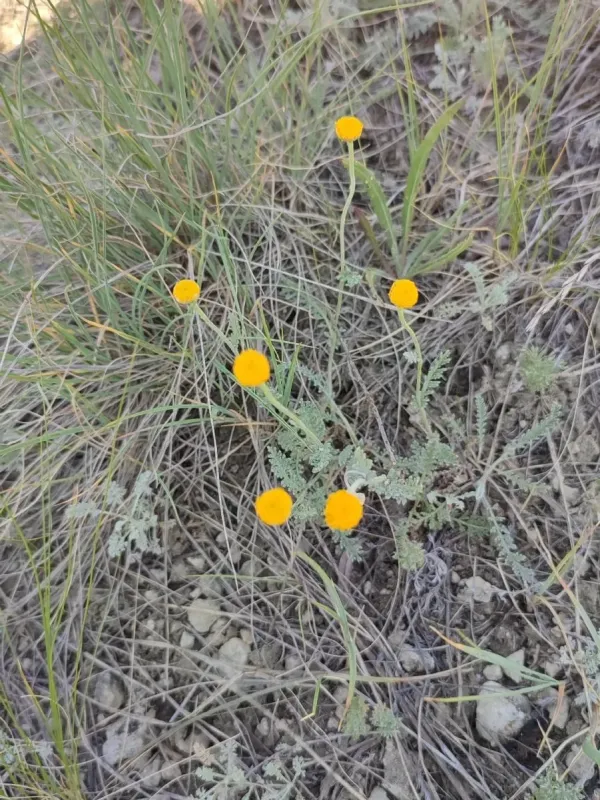
Tanacetum achilleifolium, commonly known as Yarrow-leaved tansy, is a perennial flowering plant belonging to the Asteraceae family.
The planting process usually involves direct seeding into prepared soil during late autumn or early spring, ensuring a fine tilth for better seed-to-soil contact.
Seeds are small and require sufficient moisture to initiate germination; therefore, managing soil moisture levels during the establishment phase is essential.
When starting in nurseries, sowing in trays during early spring provides a head start and ensures a more uniform plant density in the final field setting.
Optimal spacing should be maintained to ensure proper airflow and light penetration, which is vital for the development of robust, high-yielding plants.
Growing requirements
This species thrives in sunny environments and requires well-drained, fertile soil to reach its full production potential for essential oils.
It is well-adapted to semi-arid climates, demonstrating excellent drought tolerance once the root system is well-established in the field.
The plant prefers neutral to slightly alkaline soil pH and does not perform well in waterlogged conditions that may lead to root rot.
Providing balanced fertilization, particularly with adequate levels of potassium, supports the biosynthesis of secondary metabolites in the floral parts.
Temperature requirements are moderate; the plant is hardy and can withstand fluctuations in seasonal temperatures common in its native range.
Main diseases and pests
The crop is susceptible to common pests such as aphids and various leaf-mining insects that can reduce the overall health and vigor of the plants.
Fungal diseases like powdery mildew can appear in environments with high humidity or poor air circulation within the canopy of the crop.
Effective management includes regular monitoring and, if necessary, the application of organic or chemical control agents according to agricultural standards.
Cultural practices, such as removing weeds that act as alternative hosts for pests, significantly reduce the incidence of infestations in the field.
Maintaining a balanced ecosystem on the farm by encouraging beneficial insects can also serve as a natural form of biological pest control.
Harvesting
Harvesting is traditionally executed at the peak of the flowering stage, ensuring the highest yield of quality essential oils from the harvested inflorescences.
Mechanical harvesters are often employed to clip the flowering heads, allowing for efficient collection and minimizing the inclusion of stems and leaves.
Post-harvest processing involves drying the plant material in controlled environments to preserve the delicate chemical composition of the essential oils.
The dried raw material is then processed through steam distillation to extract the volatile oils used in pharmaceutical and cosmetic industries.
Strategic harvesting cycles ensure the sustainability of the perennial crop, allowing for multiple years of production from the same established field.