
Common Tansy
Tanacetum vulgare L.
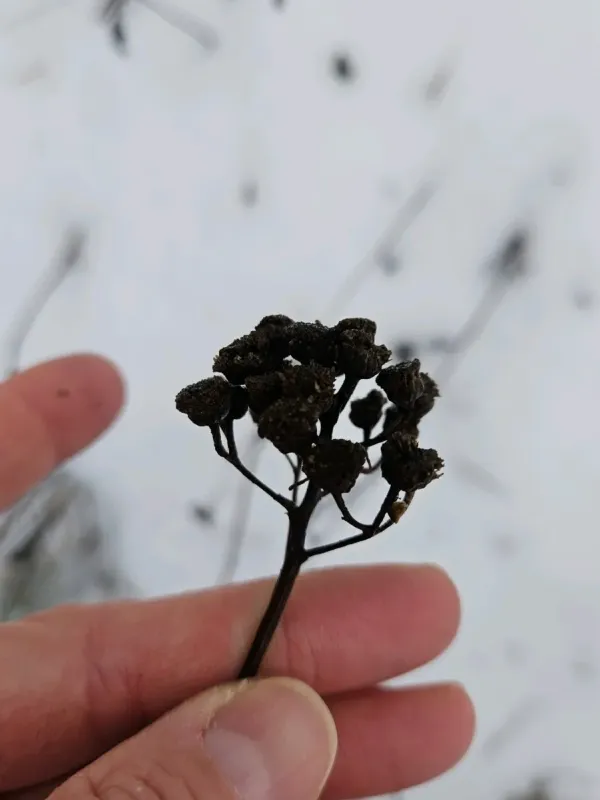
Description
Sowing dates
Common Tansy (Tanacetum vulgare L.) is a perennial herbaceous plant of the Asteraceae family, valued for its essential oils and medicinal properties.
Seeds are typically sown in late autumn or early spring, requiring shallow planting depth to ensure successful germination in the field.
For large-scale cultivation, transplanting seedlings is often preferred to achieve uniform stand density and superior crop establishment.
Vegetative propagation via crown division is a viable method for expanding existing plantations, ensuring rapid growth in the following season.
Successful establishment relies on moderate moisture levels and temperature stabilization, which promotes robust root system development before winter.
Growing requirements
This species is highly adaptable, thriving in diverse climatic conditions ranging from temperate zones to more demanding northern environments.
Full sun exposure is essential for maximizing the accumulation of secondary metabolites, such as thujone and various flavonoids, in the flowers.
Tansy prefers fertile, well-drained loamy soils but demonstrates remarkable tolerance to various soil types, including slightly degraded land.
Proper field management includes weed suppression during the initial establishment phase, as young plants are sensitive to competition.
The plant is known for its ability to thrive without intensive irrigation, making it a sustainable choice for extensive farming systems.
Yield
Tansy plantations reach commercial production levels starting from the second year, providing reliable yields for several consecutive seasons.
Typical yields for dried flower heads range from 500 to 800 kg per hectare, depending on soil quality and plant density management.
Harvesting is performed during the peak blooming period, which corresponds to the highest concentration of bioactive compounds in the plant.
The crop is widely used in the pharmaceutical, cosmetic, and organic pesticide industries, driving consistent market demand.
As a natural repellent and pollinator-friendly plant, tansy enhances the overall biodiversity of the surrounding agricultural landscape.
Main diseases and pests
Powdery mildew represents a significant fungal threat, especially during seasons with high humidity and poor air circulation within the canopy.
Rust diseases can also affect the foliage, potentially reducing the plant's overall vigor and photosynthetic capability during late summer.
Common pests include aphids and leaf-feeding insects, which can cause damage to the developing floral structures if left uncontrolled.
Integrated pest management strategies are recommended to maintain high-quality standards while minimizing the use of synthetic chemicals.
Regular monitoring of field conditions allows for early detection of potential threats, enabling timely intervention before significant yield loss.
Harvesting
Mechanical harvesting utilizing specialized headers is the standard practice for gathering flower heads efficiently while minimizing stem contamination.
Post-harvest processing involves immediate drying under controlled temperatures to prevent degradation of volatile compounds.
Strict quality control measures during harvest ensure that only clean, high-grade floral material reaches the processing facility.
Dried material must be stored in cool, dark, and dry conditions to maintain its shelf life and chemical stability for export or local use.
Proper sorting and grading after harvest are essential steps for meeting the rigorous requirements of modern herbal product markets.