
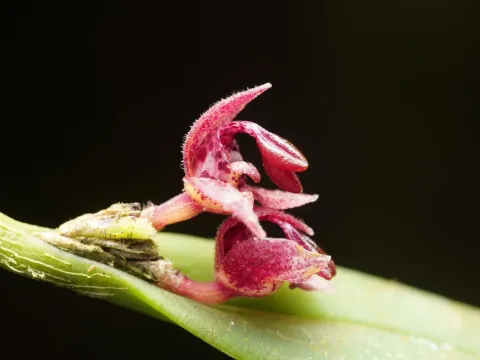
Myoxanthus
Myoxanthus
Myoxanthus is a genus of epiphytic and lithophytic plants belonging to the Orchidaceae family. These plants are native to the tropical forests of Central and South America, where they typically thrive in high-humidity mountain environments.
What the section contains

Myoxanthus
Successful cultivation requires mimicking their natural habitat by maintaining a stable temperature range, generally between 18 and 24 degrees Celsius. Rapid fluctuations can induce stress and negatively affect the plant's growth cycle.
High humidity levels are essential, ideally maintained between 70% and 80%. In greenhouse conditions, misting systems or ultrasonic humidifiers are recommended to provide the necessary atmospheric moisture for the plants.
The choice of growing medium is critical, as Myoxanthus requires excellent drainage to prevent root suffocation. Most growers utilize mounted cork slabs or porous orchid bark mixes to allow the roots to breathe properly.
Light intensity must be carefully controlled, as these plants prefer bright, indirect light. Exposure to intense afternoon sunlight often causes leaf scorching and severe dehydration, which can be irreversible for the plant.
The primary threat to Myoxanthus is poor air circulation combined with high humidity, which fosters the development of pathogenic fungi. Providing consistent airflow is the most effective preventative measure against rot.
Pest management focuses on monitoring for spider mites, aphids, and scale insects. These pests can rapidly compromise the health of the plant by draining essential nutrients from the leaves and new growth.
Root rot remains the most common cultural problem, usually caused by overwatering or using an improperly aged substrate. Once the root system is damaged, recovery becomes significantly more difficult and time-consuming.
Bacterial soft rot can spread quickly if water is allowed to pool in the crown or leaf axils. Hygiene practices, such as sterilizing cutting tools, are vital to prevent the spread of diseases between different specimens.
To ensure long-term plant health, regular application of preventative fungicides and insecticides is recommended during periods of low light or increased humidity. Constant vigilance is the key to maintaining a healthy collection.