
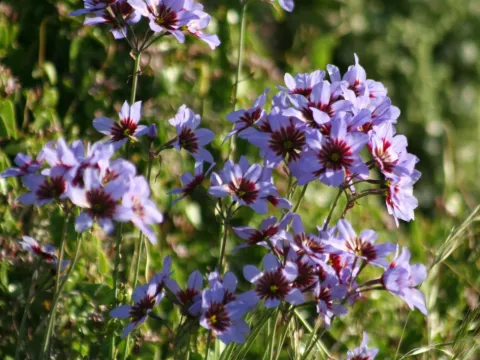
Leucocoryne
Leucocoryne
Leucocoryne is a genus of bulbous perennial plants belonging to the Amaryllidaceae family. Originating from the arid regions of Chile, these plants have evolved to thrive in environments with distinct wet and dry seasons, making them unique ornamental crops.
What the section contains


Leucocoryne
The success of Leucocoryne cultivation relies heavily on soil conditions. The plants require extremely well-draining, sandy or gritty substrates. Any accumulation of water around the bulb will inevitably lead to root rot and physiological failure of the plant.
Sunlight exposure is a critical factor for development. Leucocoryne plants require full solar radiation to produce healthy flower stalks and maintain vibrant petals. In greenhouse conditions, supplemental lighting may be necessary during overcast months to ensure quality production.
Temperature management is vital, as Leucocoryne prefers moderate temperatures and is sensitive to frost. While it enjoys warmth during the day, cooler nighttime temperatures help mimic its natural mountain habitat, which promotes sturdy growth and blooming.
Watering regimes should be carefully calibrated. Provide moisture during the active vegetative growth phase, but strictly decrease or cease irrigation as the foliage begins to yellow. This shift triggers the necessary dormancy period required for next year's cycle.
The primary threats to Leucocoryne health are fungal diseases, particularly Fusarium and Pythium. These pathogens are exacerbated by high humidity levels and poor drainage, which rapidly degrade the bulb tissue during its transition into dormancy.
Insects like spider mites and thrips pose significant risks, especially in protected environments. They cause physical damage to leaves and flowers, and they are primary vectors for various viruses that lead to plant mottling and stunted growth.
Root-knot nematodes can severely inhibit the plant's ability to absorb water and nutrients. Proper site preparation, including steam sterilization of the soil or the use of clean artificial growing media, is the best strategy for prevention.
If viral infections are detected, immediate culling of infected plants is the only effective control measure, as there are no chemical cures for viral diseases in ornamental bulb crops.
Proactive management includes regular monitoring of humidity, proper air circulation in greenhouses, and the application of preventive fungicide treatments at the time of planting to protect the bulbs from soil-borne fungi.