
Limestone daffodil
Narcissus calcicola
Description
Growing requirements
The limestone daffodil (Narcissus calcicola) is a unique bulbous plant belonging to the Amaryllidaceae family. It is native to Portugal, where it thrives in rocky, limestone-rich habitats, which is the primary indicator for its specific cultivation requirements.
To successfully grow this species, gardeners must provide an environment that mimics its natural stony, alkaline home. The soil must be exceptionally well-draining, as the bulbs are highly susceptible to rot if kept in moist conditions for extended periods.
Sunlight exposure is crucial for the limestone daffodil. It requires a position that receives full sun during the growing season to ensure proper bulb maturation. Partial shade is only appropriate in extremely hot climates to prevent leaf scorch.
Regarding moisture, the plant follows a strict seasonal cycle. It requires active watering during the spring growth phase, but the soil must remain dry and arid during the summer dormant period to prevent fungal infections and premature bulb sprouting.
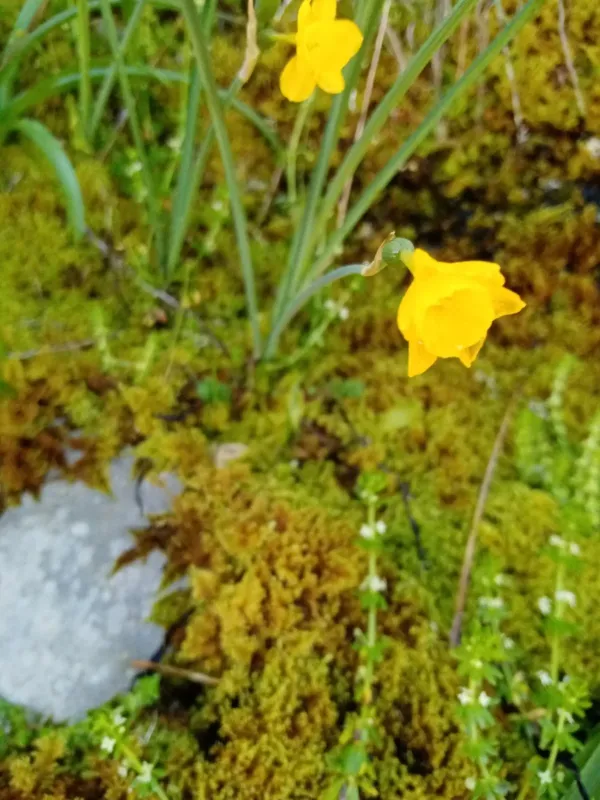
This species is best suited for alpine gardens or specialized containers. Its small stature and vibrant, golden-yellow flowers make it a prized specimen for collectors of rare bulbs who can provide the precise conditions it demands.
Main diseases and pests
Fungal pathogens are the most significant threat to the limestone daffodil. Botrytis and Fusarium wilt often strike when the soil drainage is inadequate, leading to the rapid decay of the bulb and root systems.
The narcissus fly (Merodon equestris) remains the primary pest concern. The larvae bore into the bulb, consuming the plant from within, which often leads to total crop failure if not detected early during the dormancy phase.
Slugs and snails can cause substantial damage to the emerging foliage in early spring. Protecting the plants with physical barriers or organic deterrents is essential to preserve the health and aesthetic value of the blooms.
Nematodes are another common challenge for this genus. They cause stunted growth and yellowing of the foliage; infected plants must be removed and destroyed to prevent the spread of the infestation to surrounding healthy bulbs.
Viral diseases, often manifesting as color-breaking or mosaic patterns on the petals and leaves, can be transmitted by aphids or contaminated tools. Prevention focuses on strict sanitation and the use of certified healthy propagation material.