
Leucocoryne pauciflora
Leucocoryne pauciflora
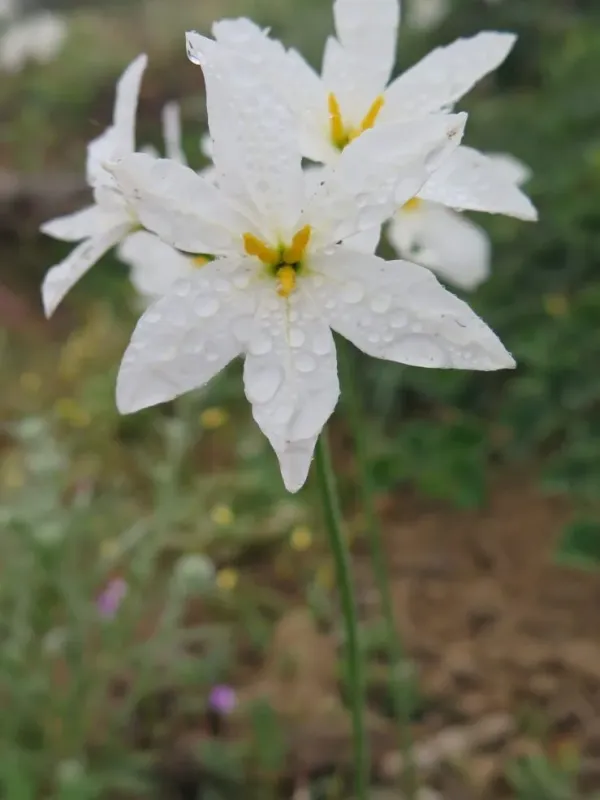
Description
Sowing dates
Planting of Leucocoryne pauciflora bulbs is typically conducted in spring once the threat of frost has passed and the soil has warmed sufficiently for active growth.
In regions with mild, frost-free winters, gardeners can opt for autumn planting to ensure early bloom induction at the start of the following spring season.
Bulbs should be placed at a depth of approximately three times their diameter, ensuring that the planting site is leveled to prevent water accumulation.
Spacing between bulbs is crucial, and maintaining a distance of about 10–15 centimeters helps prevent overcrowding and promotes healthy root development.
For container-grown plants, ensure the use of a high-quality, well-draining potting mix to simulate the natural, airy soil environment preferred by this species.
Growing requirements
Leucocoryne pauciflora belongs to the Amaryllidaceae family and is prized for its elegant flowers and specific light requirements for optimal development.
This culture thrives in full sun exposure, requiring at least six to eight hours of direct light daily to produce strong, upright flower stalks.
Soil conditions are critical: the plants require sandy, well-aerated substrates that allow for rapid drainage, preventing the risk of bulb rot.
Irrigation management is essential; provide regular water during the active growing phase, but significantly reduce moisture levels as the foliage begins to senesce.
Fertilization should focus on potassium-rich formulas, as excessive nitrogen often leads to weak foliage growth and reduced quality of the floral display.
Main diseases and pests
The primary threats to Leucocoryne pauciflora are fungal pathogens, specifically those causing bulb decay due to poor drainage and high humidity levels.
Fusarium rot represents a significant concern in both garden and storage environments, requiring strict adherence to sanitation and antifungal treatments.
Pests such as thrips and root-feeding fly larvae can damage the internal tissues of the bulbs, significantly weakening the plant's overall vigor.
Integrated pest management, including monitoring and timely application of targeted insecticides, is the most effective approach to protecting the crop.
Cultural prevention, such as avoiding waterlogging and ensuring adequate airflow, is the most effective way to combat disease pressure throughout the season.
Harvesting
The harvest of bulbs takes place after the foliage has naturally yellowed and died back, indicating the plant has completed its nutritional cycle.
After excavation, the bulbs must be carefully cleaned, cured in a shaded, well-ventilated area, and inspected for any signs of physical damage or disease.
Store the harvested material in a cool, dry environment, preferably in breathable containers, to maintain dormancy until the next planting cycle.
Periodic inspection of stored bulbs is recommended to remove any rotting specimens, which prevents the rapid spread of infection within the storage container.
Proper storage conditions are essential for maintaining the viability of the bulbs and ensuring high-quality flower production in subsequent years.