
Lycoris
Lycoris Herb.
Description
Growing requirements
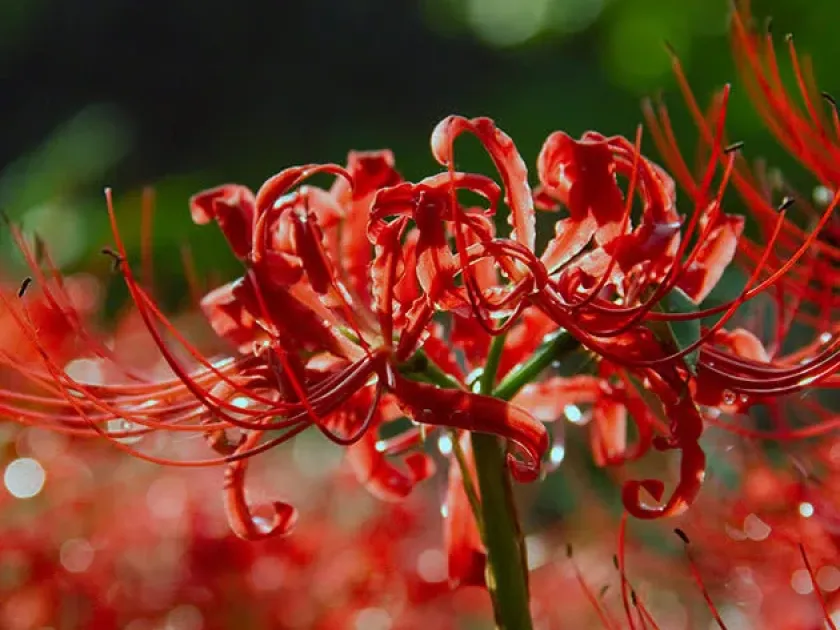
Lycoris is a perennial bulbous herbaceous plant belonging to the Amaryllidaceae family. Native to the regions of East Asia, including China, Japan, and Korea, the plant is prized for its unique biological cycle where flower scapes emerge independently of foliage. This specific phenological characteristic dictates the primary management strategies for the crop.
Successful development requires well-drained, fertile loamy soils with a neutral to slightly acidic pH level. Excessive moisture in the root zone is detrimental to the bulbs and frequently leads to basal rot during the dormancy period. The planting site should be protected from harsh winds and direct scorching midday sun, with partial shade provided by tree canopies being the optimal environment.
Climate requirements for Lycoris vary by species, though most prefer a temperate climate without extreme frost. In regions with severe winters, plants require protective mulching or relocation to sheltered areas, as their cold hardiness is generally limited. Proper site selection is crucial to avoid frost damage to early-emerging flower buds.
Agronomic practices include regular soil aeration and moderate irrigation during the active growth phase. Growers should note that the plant is sensitive to excessive nitrogen, which promotes vegetative growth at the expense of floral development. Balanced potassium-phosphorus fertilization is recommended to support bulb vigor and blooming quality.
The economic use of Lycoris is predominantly centered on ornamental horticulture and professional landscape design. Due to the striking aesthetic of their spider-like inflorescences, they are widely used for feature plantings, borders, and rock gardens in climates where conditions allow for stable outdoor cultivation.
Main diseases and pests
The primary threat to Lycoris plantings consists of fungal diseases that thrive in waterlogged substrates. Fusarium wilt and basal rot are the most common issues, which can cause total crop failure if soil moisture levels are not strictly managed during the dormant stage.
Pests that cause significant damage include the narcissus bulb fly and various species of nematodes. Furthermore, any physical damage to the outer scales of the bulb makes them susceptible to soil mite infestations, necessitating rigorous hygiene and preventative treatments before planting.
Harvesting
Bulb harvesting is performed exclusively during the stage of deep biological dormancy, which begins only after the complete senescence of the foliage. At this point, bulbs are lifted for propagation through division and relocation, with careful handling to ensure the integrity of the root system.
For storage or transport, the planting material must be thoroughly dried in a ventilated, shaded environment. It is essential to prevent the basal plate from drying out completely; therefore, storage in slightly moistened sand or peat at low positive temperatures is highly recommended to maintain bulb viability.