
Leucocoryne ixioides
Leucocoryne ixioides
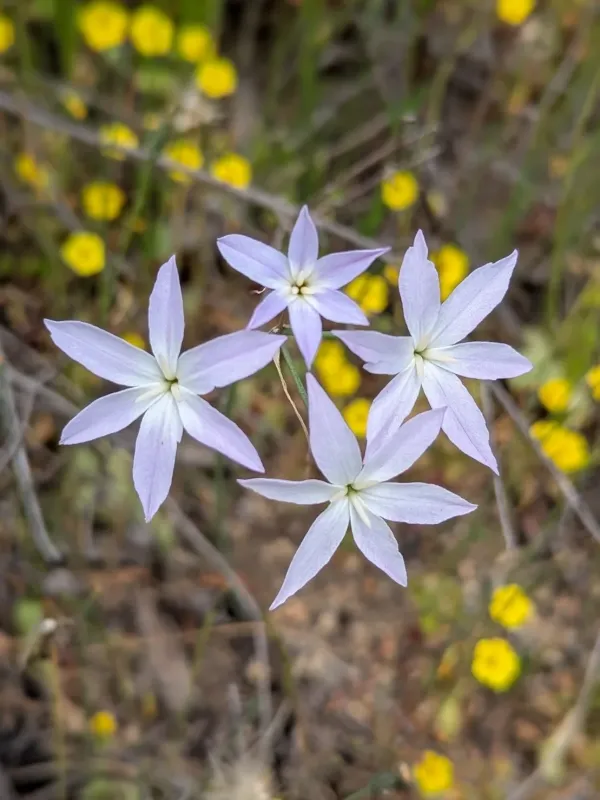
Description
Sowing dates
Planting of Leucocoryne ixioides bulbs in the open field should be performed in the spring, once the soil has warmed up and frost risks have passed.
The optimal planting window is generally April for warmer climates, while colder regions should delay planting until May for best results.
Bulbs are placed at a depth of approximately 5–8 centimeters, with a spacing of 10–15 centimeters between each plant to allow sufficient growth.
For greenhouse or indoor cultivation, planting can be initiated in late winter to ensure early flowering and better control over environmental conditions.
The planting site must be cleared of debris and weeds to provide a clean environment that supports the development of the bulb's root system.
Growing requirements
Leucocoryne ixioides is a member of the Amaryllidaceae family, originating from Chile, where it naturally thrives in rocky and sun-drenched habitats.
The species requires full sun exposure to flourish and produce its characteristic fragrant blooms, making open sites the best choice for gardeners.
Well-draining, sandy or loamy soil is essential, as the plant is highly susceptible to root rot if the growing medium remains persistently saturated.
While the plant shows moderate drought tolerance, consistent moisture during the active growing phase is required for optimal health and flowering.
The soil pH should ideally be neutral or slightly acidic, and adding organic matter can improve soil structure and nutrient availability for the bulbs.
Main diseases and pests
Fungal diseases are the primary threat, especially in humid conditions where lack of airflow promotes rot on the bulbous base and stems.
Fusarium wilt and various forms of soft rot are common pathologies that require immediate intervention and careful soil management to control.
Pests such as bulb flies and thrips can significantly impact the plant's vitality, leading to distorted foliage and poor-quality floral displays.
Applying preventative measures, including proper spacing and avoiding overhead watering, can significantly reduce the incidence of these pests and diseases.
Regular monitoring for signs of infestation or early decay is highly recommended to protect the integrity of the bulb collection throughout the season.
Harvesting
Harvesting bulbs should commence only after the foliage has naturally withered and turned yellow, indicating that the nutrients have returned to the bulb.
Once lifted, bulbs need to be cleaned gently and cured in a dry, shaded, and well-ventilated location to prepare them for long-term dormancy.
Curing typically lasts for a few days, after which the bulbs can be inspected for any signs of physical damage or infection that could spread.
Storage requires a cool, dry environment with minimal humidity fluctuations to prevent the bulbs from sprouting or rotting during the winter months.
Proper storage temperatures are crucial to ensuring that the bulbs remain dormant and viable until the following spring planting season.