
Leucocoryne hybrids
Leucocoryne hybrids
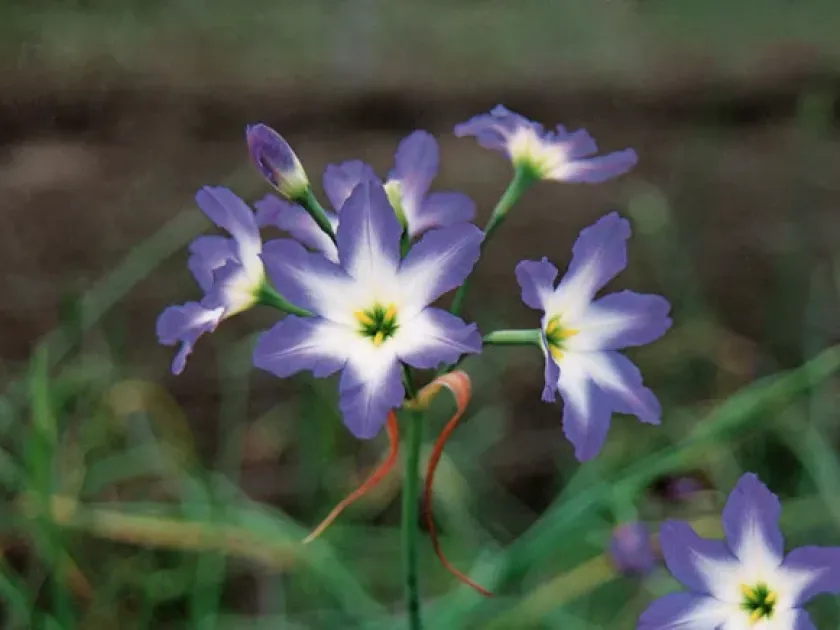
Description
Growing requirements
Leucocoryne hybrids are highly valued ornamental bulbous plants belonging to the Amaryllidaceae family. Originating from the diverse climate zones of Chile, these plants have adapted to Mediterranean-like conditions characterized by wet winters and dry, warm summers.
For commercial production, they require extremely well-draining, loose substrates. Any signs of waterlogging will lead to rapid root rot, so growing in raised beds or high-quality artificial substrate mixes with excellent aeration is essential for optimal crop development.
These plants have a high requirement for light intensity. In greenhouse environments, ensuring direct sunlight or using supplemental LED lighting is crucial to prevent etiolation of the flower stalks and to promote the development of vibrant, fragrant, star-shaped inflorescences.
The irrigation management follows a strict seasonal protocol. Water is applied consistently during the growing phase, while after the flowering stage, irrigation must be gradually tapered off. Allowing the soil to become completely dry during the dormant summer period is vital for bulb regeneration.
The primary use of Leucocoryne hybrids is in the professional cut-flower industry. Due to their unique, long-lasting flowers and distinct sweet scent, they are highly sought after for luxury floral arrangements and event floristry across international markets.
Main diseases and pests
The primary threats to Leucocoryne cultivation are fungal infections, particularly Fusarium wilt and Botrytis, which thrive in high humidity and poor ventilation. Maintaining a low humidity level in the greenhouse and using sterile potting media are standard preventative measures.
In terms of pests, bulb mites and aphids are the most significant threats to yield quality. Integrated pest management, including regular scouting and the use of targeted biological or chemical control agents, is recommended to maintain the health of the bulb stocks throughout the season.