
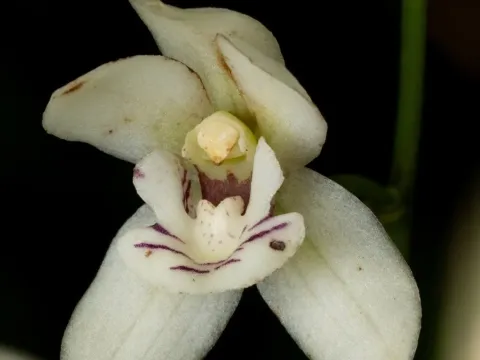
Koellensteinia
Koellensteinia
Koellensteinia is a genus of sympodial epiphytic orchids within the Orchidaceae family. Native to the tropical forests of South America, these plants are typically found in humid environments where they establish themselves on tree bark, utilizing the specific moisture levels provided by the surrounding forest canopy.
What the section contains

Koellensteinia
Botanically, these orchids are characterized by their compact pseudobulbs and narrow, plicate leaves. The inflorescences emerge from the base of the pseudobulbs, producing a series of distinctive flowers often featuring a unique lip structure that serves as a key identifier for various species within the genus.
Cultivation requirements for this genus focus on maintaining consistent conditions similar to their native habitat. High air humidity levels, ranging from 70% to 80%, are essential for maintaining the health of the foliage and promoting proper hydration during the vegetative growth phase.
Temperature management should prioritize a moderate tropical range, ideally between 20°C and 25°C. Exposure to sudden temperature fluctuations or extreme drafts should be avoided, as this can negatively impact the plant's physiological balance and reduce the chances of successful blooming.
Regarding soil and media, Koellensteinia thrives best in highly porous substrate mixes, such as coarse fir bark, perlite, and dried moss. This combination allows for optimal gas exchange and moisture drainage, preventing the roots from suffocating in overly dense or waterlogged media.
The primary threats to the health of these orchids involve pathogens related to moisture control. Poor ventilation combined with damp substrates often leads to outbreaks of various fungal rots, specifically affecting the root system and the base of the pseudobulbs, leading to plant decay.
Common pests that impact the genus include spider mites, particularly when air humidity drops below critical levels. Furthermore, infestations of mealybugs and scale insects can occur, requiring vigilant monitoring and integrated pest management practices to maintain plant vigor and appearance.