
Hybrids of annual sunflower and silverleaf sunflower
hybrids between Helianthus annuus L. and Helianthus argophyllus Torr. & A. Gray
Description
Sowing dates
The planting of hybrids derived from Helianthus annuus and Helianthus argophyllus follows standard agricultural practices for commercial sunflowers. Sowing is typically performed when soil temperatures reach a consistent 10–12 degrees Celsius at the seeding depth.
Precise seed placement is essential for uniform emergence. Depending on the soil moisture profile, seeding depth is usually maintained between 4 and 6 centimeters to ensure optimal contact with the moist soil layer.
Planting density is adjusted according to the specific hybrid's characteristics, as the influence of Helianthus argophyllus genes may affect the plant's architecture, including branch development and leaf density.
A well-prepared, fine-textured seedbed is crucial to facilitate rapid germination and minimize the period of vulnerability to soil-borne pests. Conservation tillage practices can be employed in regions prone to erosion.
Early-season weed control and the use of treated seeds are fundamental components of the sowing strategy to give the crop a competitive advantage during the crucial establishment phase.
Growing requirements
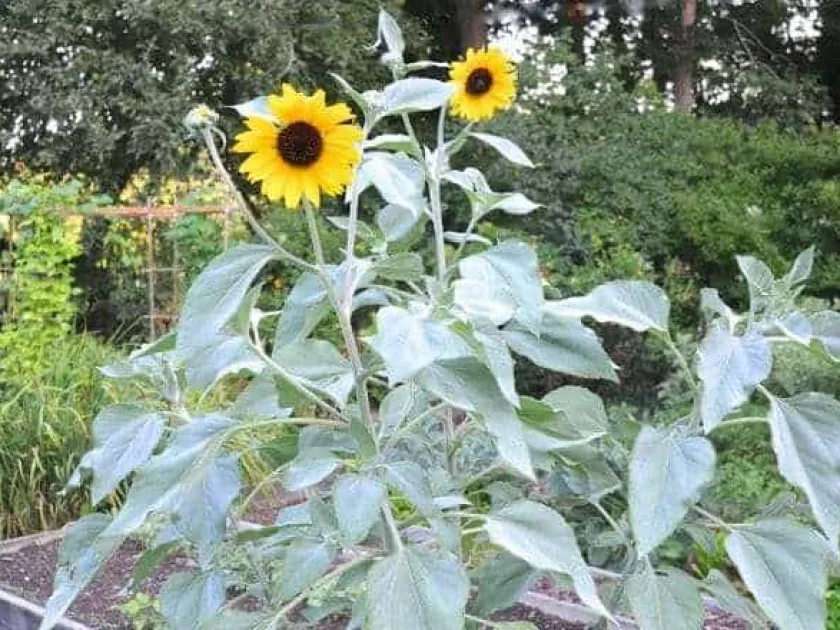
The primary agricultural value of these hybrids is the integration of drought-tolerance mechanisms. The dense, silvery trichomes on the foliage, inherited from the silverleaf parent, serve to reflect intense solar radiation and reduce transpiration rates.
These plants thrive in a variety of soil types but perform best in well-drained, fertile loams or chernozems. Maintaining a balanced nutrient supply, particularly phosphorus and potassium, is essential for root system development.
Sunflowers are highly photophilous crops. Access to full, unobstructed sunlight during the vegetative and reproductive phases is necessary for biomass accumulation and the formation of high-oil-content achenes.
While adapted to arid conditions, the hybrids respond well to supplemental irrigation in high-yield environments. However, water management should focus on avoiding waterlogging, which can be detrimental to root health.
Adequate crop spacing is vital to allow for sufficient airflow within the canopy, which helps in preventing moisture-related fungal diseases and supports the overall vigor of the plants during the maturation period.
Main diseases and pests
Integrated pest management is required to control potential outbreaks of lepidopteran pests, such as the sunflower moth, which can significantly reduce seed yield and oil quality by damaging the floral head.
Pathogens including Phomopsis and Sclerotinia remain a threat. Genetic diversity within these hybrid lines is often utilized to provide resistance to various races of downy mildew and other local fungal threats.
Broomrape (Orobanche cumana) is a parasitic plant that requires strict field management. Utilizing resistant hybrids and herbicide-tolerant systems provides the most effective control method.
Crop rotation remains the cornerstone of sustainable production. Avoiding the planting of sunflowers on the same land for extended periods helps to break the life cycles of soil-borne pathogens and insect pests.
Regular scouting of fields during the critical stages of head formation and flowering allows for timely interventions, ensuring that any threats are addressed before they cause significant economic loss.
Harvesting
Harvesting usually begins when the backs of the sunflower heads turn from green to yellow and then brown, and the seeds reach a moisture content typically between 9 and 12 percent.
Utilizing headers specifically designed for sunflowers is recommended to reduce header loss and damage to the heads, ensuring efficient grain collection and maintaining the quality of the harvested seeds.
The timing of the harvest is critical; delaying it can increase the risk of bird damage and lodging, while premature harvesting may result in higher drying costs and potential oil quality degradation.
Modern combines with optimized rotor speeds and sieve settings allow for high-throughput harvesting with minimal damage to the achenes, preserving the integrity of the harvested product.
Proper post-harvest management, including cleaning and aeration of the seeds in storage, is necessary to maintain stability and prevent the development of molds or insect infestations in the grain bin.