
Sunflower chlorotic mottle
Sunflower spp.
Description
Symptoms
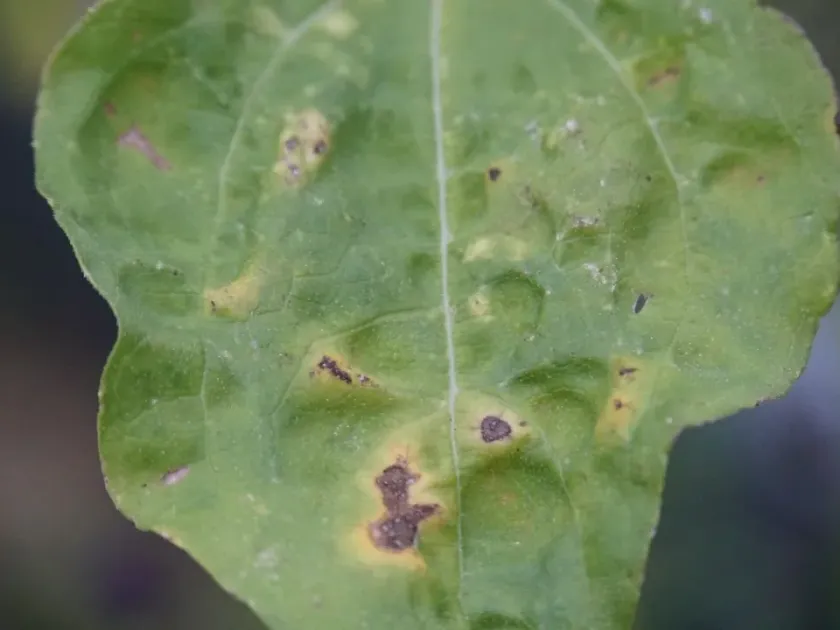
The primary symptom involves the development of distinct chlorotic spots and mosaic patterns on the foliage of the sunflower.
Infected leaves often exhibit noticeable deformation, crinkling, or stunting compared to healthy leaves on the same plant.
The entire plant may show signs of dwarfing, with significantly shortened internodes impacting the plant's overall height.
Reproductive organs, specifically the flower heads, are often smaller and may produce fewer, poorly filled seeds.
Advanced stages of the infection may lead to tissue necrosis within the chlorotic areas, resulting in premature leaf drop.
Pathogen
The causal agent of this disease is the Sunflower chlorotic mottle virus (SuCMoV), a member of the Potyviridae family.
This virus is a systemic pathogen, which means it travels through the plant's vascular system affecting overall plant physiology.
SuCMoV relies on insect vectors, primarily aphids, to move from infected plants to healthy ones within the field.
The virus can also be transmitted mechanically through contaminated tools or contact between infected and healthy leaves.
It overwinters in wild perennial hosts and volunteer plants, serving as a persistent source of inoculum for subsequent seasons.
Conditions for development
Favorable temperatures for the virus development usually range from 20°C to 28°C, which promotes active replication.
High population densities of insect vectors are critical for the rapid spread of the disease throughout a commercial field.
The proximity of wild Asteraceae species or Jerusalem artichoke plantings provides a constant reservoir for the virus.
Moisture and humidity levels affect the activity of insect vectors, thereby indirectly influencing the transmission rate of the virus.
Poor field hygiene, especially in the presence of volunteer sunflowers, creates a bridge for the pathogen between cropping seasons.
Why it matters
The disease significantly limits the photosynthetic capacity of the sunflower plant, directly hindering biomass accumulation.
Yield loss is primarily manifested in reduced seed size, lower kernel weight, and a significant decrease in oil content.
Affected plants are often more susceptible to secondary infections by fungi, making the damage more complex and difficult to manage.
Infested Jerusalem artichoke patches can act as a long-term problem for growers, necessitating specific crop rotation adjustments.
The economic impact includes both decreased market value of the grain and higher costs associated with pest and weed control.
Protection
Strategic management involves implementing robust crop rotation to break the cycle of viral persistence in the soil and residues.
Proactive insect vector management is essential to keep the population of aphids below economic thresholds throughout the growing season.
Rigorous weed control is crucial, focusing on eliminating alternative host plants in and around the sunflower production areas.
The use of certified virus-free seed is a fundamental preventive step to ensure the crop starts without initial infection pressure.
- Monitoring for early symptoms and localized removal of plants.
- Spatial isolation from fields with known viral history.
- Selection of hybrids with better resistance or tolerance.
Pathogens and affected parts
Affects crops · 2
Discussion
No discussions yet — be the first.