
Dark-red sunflower
Helianthus atrorubens L.
Description
Growing requirements
Helianthus atrorubens, commonly known as the dark-red sunflower or purple-disk sunflower, is a perennial herbaceous plant belonging to the Asteraceae family. Unlike common sunflowers grown for oil, this species is primarily cultivated for its striking appearance and enduring garden performance.
Native to the southeastern United States, this species thrives in prairie habitats and open woodland margins. It has adapted to various soil types, although it performs best in well-drained, moderately fertile soil conditions. Its root system is sturdy, allowing it to withstand periods of summer dry spells.
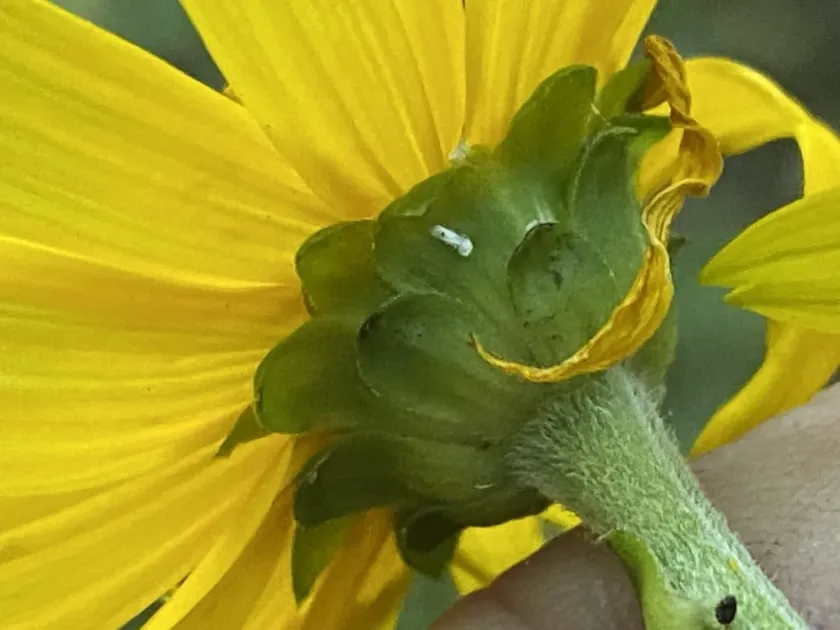
The plant features rough, hairy stems that can grow up to 1.5 meters tall. Its leaves are generally lanceolate or ovate with a sandpaper-like texture. The inflorescences are distinct for their dark purple to reddish-brown centers, which provide a beautiful contrast to the bright yellow ray florets.
In terms of climatic requirements, this plant demands full sun exposure to produce the most vibrant blossoms. While it can tolerate partial shade, insufficient sunlight may lead to leggy growth and reduced flowering. It is well-suited for temperate climates and exhibits good winter hardiness.
Regarding its utility, the dark-red sunflower is a staple in perennial borders and prairie-style landscape designs. It provides excellent vertical interest and structure to garden beds, acting as a late-summer anchor plant that remains attractive throughout the season while providing nectar for pollinators.
Main diseases and pests
Common health issues for this species include fungal infections such as powdery mildew, especially during humid weather conditions. Proper plant spacing is essential to ensure adequate airflow and reduce the humidity around the foliage, which helps in preventing these infections.
In terms of pests, aphids can sometimes congregate on the flower buds or the undersides of leaves. Regular monitoring of the plants and the use of integrated pest management strategies, such as introducing beneficial insects or applying mild insecticidal soaps, are usually sufficient to maintain plant health.