
Many-flowered sunflower
Helianthus x multiflorus L.
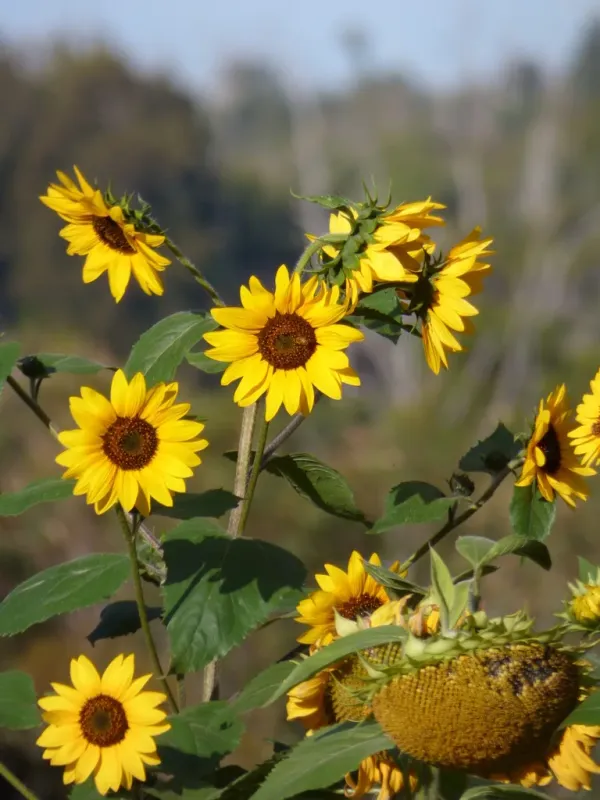
Description
Sowing dates
The many-flowered sunflower (Helianthus x multiflorus) is a vigorous perennial hybrid in the Asteraceae family. Unlike its annual relatives, this species develops persistent rhizomes, allowing it to survive winters and regrow consistently each season.
Planting is best performed in the spring when the soil has fully warmed up. This timing ensures that the root system establishes well before the plant enters its peak vegetative phase in mid-summer.
Division of clumps is the primary method of propagation. This should be done every three to four years to prevent overcrowding, maintain plant health, and ensure the vigor of the perennial rootstock.
When selecting a site, remember that this species grows tall and wide. Providing adequate spacing, typically around 75 centimeters between plants, is crucial to avoid competition for light and nutrients.
Seeds are rarely used for propagation because the plant is a hybrid and true-to-type offspring are not guaranteed. Vegetative division remains the industry standard for maintaining consistent quality in ornamental beds.
Growing requirements
This crop thrives in full sun, requiring at least six to eight hours of direct exposure daily. Insufficient light results in weak, spindly stems that may require staking to remain upright.
Soil requirements include well-drained, fertile loam with a near-neutral pH. While the plant is adaptable, it performs significantly better when organic matter is incorporated into the soil during preparation.
Water management is critical. While the plant can withstand short periods of drought once established, deep and consistent watering during the flowering period produces larger and more numerous blooms.
Feeding the plants with a balanced fertilizer in late spring encourages healthy vegetative growth. A second application of low-nitrogen, high-phosphorus fertilizer in mid-summer can boost flower production.
Regular maintenance involves deadheading spent flowers. This not only keeps the plant looking tidy but can also encourage a second flush of blossoms and prevents the plant from exhausting its energy on seed production.
Main diseases and pests
Powdery mildew is the most common fungal issue affecting this species. It appears as a white, dusty layer on leaves and is promoted by poor air circulation and high humidity levels.
Aphids often target the succulent new growth and the undersides of leaves. Early detection is key; systemic insecticides or insecticidal soaps are usually effective in controlling infestations.
Stem rot can occur if the soil remains waterlogged for extended periods. Ensuring proper drainage and avoiding overhead watering during cool evenings significantly reduces the risk of fungal decay.
Rust, characterized by orange-brown spots on the foliage, can impact plant vigor. Implementing crop rotation and sanitation by removing infected plant debris in the fall helps minimize disease pressure.
Snails and slugs can damage young, emerging foliage in the spring. Protective barriers or organic bait can be used in areas where these pests are prevalent to preserve the plant's aesthetic quality.