
Silverleaf sunflower
Helianthus argophyllus Torr. & A. Gray
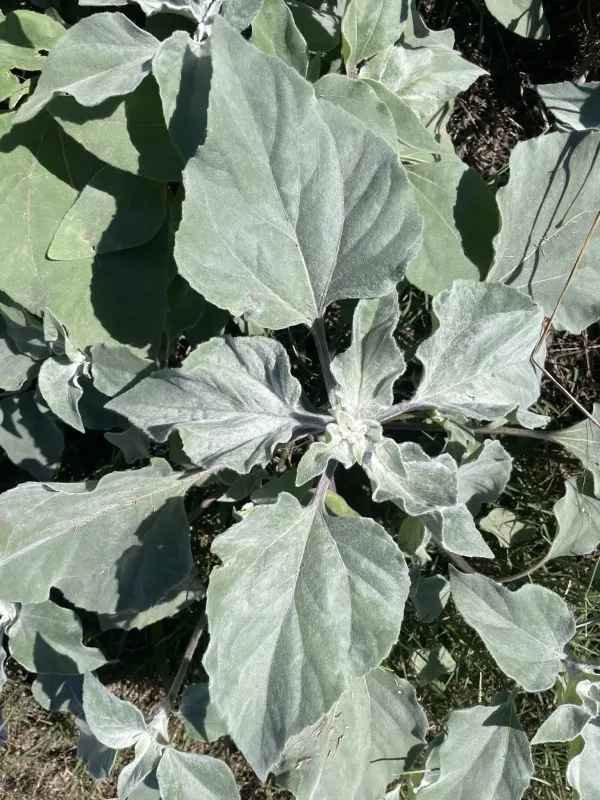
Description
Sowing dates
Silverleaf sunflower (Helianthus argophyllus) is a wild plant species, so its cultivation techniques differ significantly from commercial sunflowers. The seeds possess a natural dormancy mechanism and require stratification to achieve high and uniform germination rates.
The optimal sowing time occurs when the soil temperature consistently reaches 15 to 18 degrees Celsius. Seeds should be planted at a depth of 3 to 5 centimeters to ensure sufficient moisture contact, as the seeds are relatively small compared to domestic hybrids.
In natural habitats, these plants reproduce through self-seeding, with seeds capable of remaining viable in the soil for several seasons. When cultivated in nurseries, spacing of 70–90 centimeters is recommended to allow for extensive branching and root development.
For breeding purposes, sowing is usually conducted in greenhouses or isolated plots to prevent unwanted cross-pollination with other sunflower species. Genetic purity is paramount, as the species is primarily studied for its beneficial trait transmission.
There is no commercial-scale production of this plant for grain or oil extraction, as its value remains restricted to its genetic material, which serves as a reservoir for stress-resistance traits.
Growing requirements
A member of the Asteraceae family, the Silverleaf sunflower originates from the coastal plains of Texas. It is evolutionary adapted to arid, sandy environments, exhibiting superior tolerance to heat and water scarcity compared to common sunflower varieties.
The most striking characteristic is the dense, silvery pubescence covering its stems and leaves. This layer of trichomes effectively reflects solar radiation, lowers the leaf surface temperature, and reduces transpiration rates during peak heat.
The plant thrives in well-drained, sandy, or loamy soils with a neutral pH. It is highly intolerant of waterlogging, which often leads to root hypoxia and subsequent development of soil-borne pathogens in the root zone.
It is an obligate heliophyte, requiring full sun exposure throughout the entire day for healthy development. Shading causes etiolation, weakens the stems, and diminishes the distinct silvery appearance of the foliage.
Nutrient requirements are modest; however, the plant responds positively to potassium, which helps maintain turgor pressure and contributes to its overall resilience against abiotic stress factors.
Main diseases and pests
The main threats to the Silverleaf sunflower are fungal diseases common to the Helianthus genus, particularly downy mildew. High humidity and poor airflow around the foliage can lead to rapid pathogen spread.
The species is susceptible to sunflower rust, which appears as pustules on the leaves. However, it is precisely this species that researchers study to identify genes that confer natural resistance to such diseases in agricultural crops.
Insect pests such as the sunflower moth can cause significant damage to the developing flower heads. The thick, silvery hairs on the leaves provide some level of physical protection against certain chewing insects, though not all.
Grey mold (Botrytis) represents a risk during the flowering phase if atmospheric moisture is persistently high. Maintaining a clean field environment and proper spacing is the best strategy for managing this fungal risk.
Early-stage weed control is critical. As the Silverleaf sunflower exhibits slower initial growth compared to commercial hybrids, it requires active protection from competition for sunlight and resources until it becomes fully established.