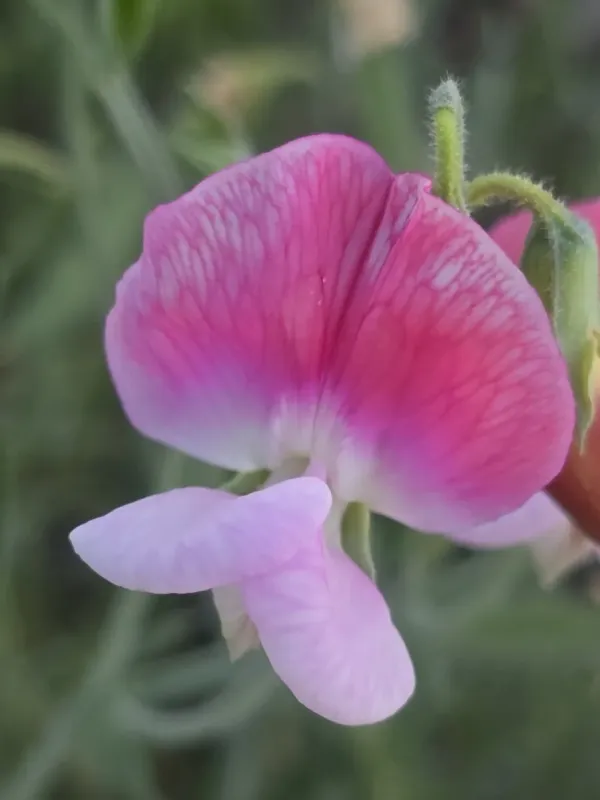
Description
Sowing dates
Sweet pea (Lathyrus odoratus L.) is a popular climbing plant belonging to the Fabaceae family. Seeds are typically sown in early spring as soon as the soil can be worked.
For earlier flowering, seeds can be started indoors in deep pots 4–6 weeks before the last frost date. Sweet peas develop long taproots, so using deep cells prevents root disturbance during transplanting.
Before sowing, nicking the seed coat or soaking seeds in water for 24 hours can significantly improve germination rates by allowing moisture to reach the embryo.
Seeds should be sown at a depth of 2–3 centimeters. Maintain a temperature of about 15°C until germination, which usually occurs within two weeks.
Once seedlings emerge, provide plenty of light to prevent them from becoming leggy. Harden off the plants gradually before setting them out into the garden beds.
Growing requirements
Sweet peas thrive in a sunny position with rich, moisture-retentive, well-draining soil. They are cool-weather lovers and perform best in regions with mild summers.
The soil should be prepared with organic matter such as compost or well-rotted manure to ensure good fertility and structure for deep root development.
Providing a sturdy support system, such as a trellis, netting, or bamboo stakes, is essential as these plants grow rapidly and need to climb to maintain good health.
Regular watering is critical, especially during dry spells. Keeping the roots cool with a layer of mulch can help prevent moisture stress and prolong the flowering season.
Regular deadheading of spent flowers is the most effective way to encourage continuous blooming, as it prevents the plant from diverting energy into seed production.
Main diseases and pests
Aphids are the most common pests affecting sweet peas. They cluster on new growth and flower buds, causing stunting and transmitting various viral diseases.
Powdery mildew often appears during periods of high humidity and warm days followed by cool nights. It shows as a white, dusty coating on the leaves.
Root rot, including pathogens like Pythium, can kill plants if the soil is poorly drained or stays soggy for extended periods, leading to yellowing and sudden wilting.
Thrips may also cause damage to the flower petals, resulting in streaks and distorted blossoms. Regular monitoring and timely intervention are necessary for control.
Practicing crop rotation is vital for preventing soil-borne pathogens. Avoid planting sweet peas in the same spot where other legumes grew in the previous year.
Harvesting
Sweet peas are harvested for cut flowers by cutting the stems when the lowest one or two flowers on the spray have just opened fully.
To maximize vase life, harvest during the cool hours of the morning and immediately place the stems in water, stripping away any lower leaves that would be submerged.
If you intend to save seeds for next year, stop harvesting and allow the pods to develop and ripen fully on the vine until they turn brown and brittle.
Seed pods should be collected when they are dry to the touch to ensure viability. Open the pods, remove the seeds, and allow them to air-dry before storage.
Store cleaned seeds in an airtight container in a cool, dark place. Label them clearly with the variety name and the harvest date for future planting reference.
Content graph
Connections · Sweet pea
Most often together:
Marketplace
Products · 28