
Tangier pea
Lathyrus tingitanus L. x Lathyrus sativus L.
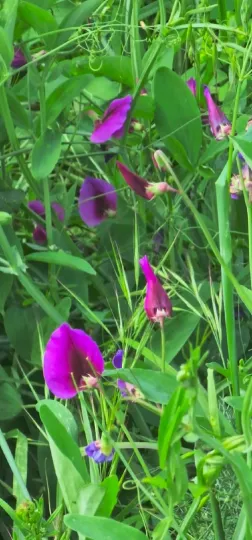
Description
Sowing dates
Tangier pea (Lathyrus tingitanus) is an annual herbaceous legume. Sowing usually occurs in early spring once the soil temperature reaches 5-8 degrees Celsius, as the crop displays good tolerance to cool conditions.
Seeds are typically planted at a depth of 3 to 5 centimeters, depending on soil texture. A target density of 80-120 plants per square meter is recommended to achieve an optimal green mass yield for livestock forage.
Row spacing is generally set at 15 centimeters for forage production, while seed production plots may benefit from wider spacing (up to 45 centimeters) to improve airflow and facilitate mechanical harvesting.
Due to the hard seed coat, scarification is often practiced in commercial farming to enhance uniformity of germination. Using certified high-quality seeds is crucial for establishing a healthy and productive crop stand.
Early sowing in late March or early April allows the plants to take advantage of residual winter soil moisture, which is essential for rapid root development and establishment during the initial growth phase.
Growing requirements
The crop thrives in well-drained loamy or sandy soils with a neutral to slightly alkaline pH. It is particularly sensitive to waterlogging, as poorly drained soils significantly increase the risk of root rot and plant mortality.
Tangier pea is a sun-loving plant that requires open areas with full sun exposure. Inadequate light levels will lead to spindly growth, reduced lodging resistance, and a decline in biomass accumulation.
The plant exhibits moderate drought tolerance thanks to its deep taproot system. However, for maximum forage production, consistent moisture is required during the flowering and pod-filling stages of growth.
Like other legumes, Tangier pea forms symbiotic relationships with rhizobia bacteria, enabling atmospheric nitrogen fixation. Inoculating seeds before planting is recommended, especially in fields with no history of previous legume cultivation.
Moderate temperatures are ideal for growth. High heat stress during the peak growing season can interfere with photosynthesis and pollination, potentially leading to lower overall biomass and seed yields.
Yield
The primary use of Tangier pea is as a high-protein green fodder or hay crop. With proper management, green biomass yields can range from 20 to 30 tonnes per hectare under favorable environmental conditions.
Seed yields typically vary between 1.5 and 2.5 tonnes per hectare. Achieving these figures requires careful attention to the timing of the harvest to minimize field losses due to pod shattering.
The nutritional quality of the forage is characterized by high protein content and digestibility, making it an excellent supplement for ruminant diets, particularly during periods of low pasture availability.
As a legume, it serves as a beneficial component in crop rotations, contributing to improved soil fertility and structure by leaving behind significant amounts of organic matter and fixed nitrogen for subsequent crops.
Consistency in yields is maintained by integrated crop management, including effective weed control and the prevention of pest outbreaks during the critical vegetative development stages.
Main diseases and pests
The crop is susceptible to fungal diseases such as anthracnose and powdery mildew. These are most problematic in humid environments or in overly dense stands where air circulation is restricted.
Common pests include the pea weevil and various aphid species. Aphids can cause direct damage by feeding on plant sap and act as vectors for viral diseases that stunt plant development.
The pea weevil is particularly detrimental to seed production, as larvae infest the developing seeds inside the pods, significantly reducing both seed weight and germination capacity.
Preventative strategies rely on a crop rotation cycle where Tangier pea is not grown in the same field more than once every three years. Using resistant varieties and treated seeds helps mitigate the risk of disease.
When pest populations exceed economic thresholds, authorized insecticides should be applied according to regulatory guidelines, ensuring that waiting periods before harvest are strictly observed for forage safety.
Harvesting
Harvesting for green fodder should take place at the early flowering stage. At this phase, the plants contain the highest concentration of proteins and minerals, and the stems are still tender enough for optimal digestibility.
When producing hay, the use of a mower-conditioner helps accelerate the drying process. The crop is left in windrows until the moisture content drops to approximately 15-18 percent for safe, stable storage.
Harvesting for seed occurs when 75-80 percent of the pods have reached maturity and turned color. Rapid mechanical harvesting is preferred to prevent excessive shattering losses as pods dry out in the sun.
Care must be taken during threshing to adjust combine settings, specifically reducing drum speed to prevent mechanical damage to the seeds, which can otherwise lead to storage rot or poor future germination.
Properly cleaned and dried seeds, with moisture content below 14 percent, should be kept in well-ventilated storage facilities to prevent heating and fungal growth during the off-season.