
Grass pea
Lathyrus sativus L.
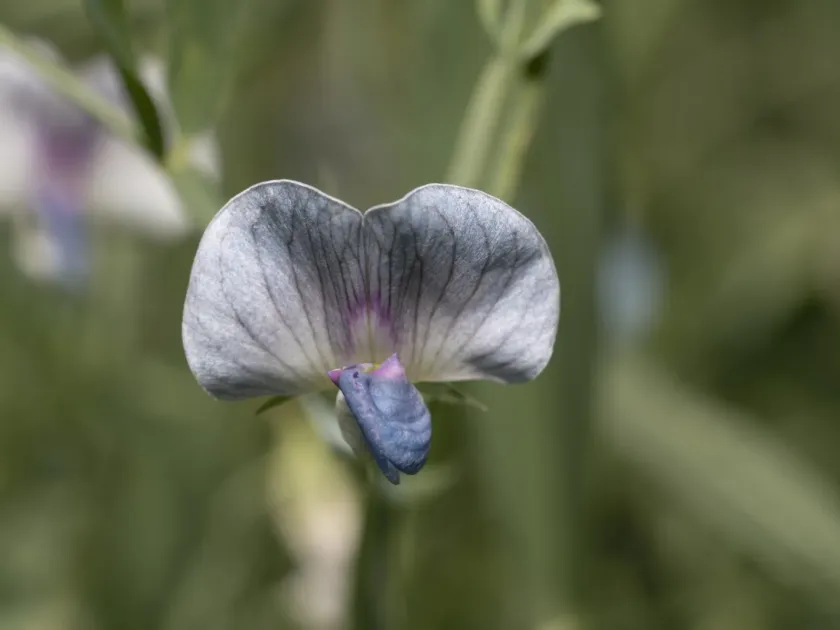
Description
Sowing dates
Grass pea is an early-season crop, with planting typically beginning as soon as soil temperatures reach 5–6°C, allowing for optimal moisture utilization.
The seeds are sown using standard row spacing of 15 cm, ensuring an even distribution of the crop and better weed suppression in the field.
Optimal seeding depth is 4–6 cm, depending on the soil texture, which ensures good seed-to-soil contact and consistent germination across the area.
The seeding rate varies depending on local climate conditions and regional practices, typically targeting 1.0 to 1.5 million germinating seeds per hectare.
Post-sowing soil compaction with rollers is highly recommended to improve moisture capillary rise to the seeds, resulting in faster and more uniform seedling emergence.
Growing requirements
Grass pea (Lathyrus sativus) is an annual legume known for its exceptional resilience to environmental stress and low input requirements.
It thrives in various soil types, including heavy clays and saline soils, where other legume crops often fail to provide sufficient yields.
The crop is highly drought-tolerant, making it an excellent candidate for semi-arid regions where water availability is a limiting factor for agriculture.
Grass pea exhibits good frost resistance at the seedling stage, capable of withstanding temperatures as low as -8°C without major damage to the plant.
It performs best in crop rotations following cereals, which help maintain soil health and manage weed pressure effectively throughout the growing cycle.
Yield
Under favorable conditions, grass pea grain yields typically range from 1.5 to 2.5 tonnes per hectare, depending on soil quality and seasonal precipitation.
The green biomass is highly valued as a high-protein fodder source, frequently utilized for hay, silage, or direct grazing by livestock in many regions.
Its biological plasticity ensures stable production even in years of severe drought, providing a reliable food source for animals when other crops fail.
The grain itself is characterized by high protein content, often exceeding 25–30%, making it a valuable ingredient in specialized feed formulations.
Agricultural use requires awareness of anti-nutritional factors present in the seeds, which can be mitigated through proper processing techniques such as heating.
Main diseases and pests
Early plant growth can be challenged by pea weevils, which may cause damage to young foliage, potentially reducing the overall plant vigor during spring.
Root rot diseases are the most common pathological issues, particularly in fields with poor drainage or excessive water stagnation during the early spring period.
Flowering and pod-filling stages can be affected by aphids or thrips, which can reduce yield quantity and grain quality if the population threshold is reached.
Integrated pest management strategies, including proper crop rotation and quality seed treatment, remain the primary defense against common field threats.
Chemical control interventions are reserved for high infestation scenarios, adhering strictly to agricultural guidelines for legumes to minimize environmental impact.
Harvesting
Harvesting should occur when the crop reaches full maturity, evidenced by the pods turning a straw-yellow or brownish color and seeds becoming hard.
Direct combining is the most common harvest method, though swathing may be employed if the ripening process is uneven across the field.
If swathing is utilized, it should be done when approximately 80% of the pods are ripe to ensure minimal grain shattering during the cutting process.
Timely harvest is critical to preventing pod shattering and subsequent seed loss, which can occur rapidly if the crop is left standing in the field too long.
Post-harvest processing involves thorough cleaning of grain and drying to a moisture content of 14% to ensure long-term stability during bulk storage.