
Yellow vetchling
Lathyrus aphaca L.
Description
Growing requirements
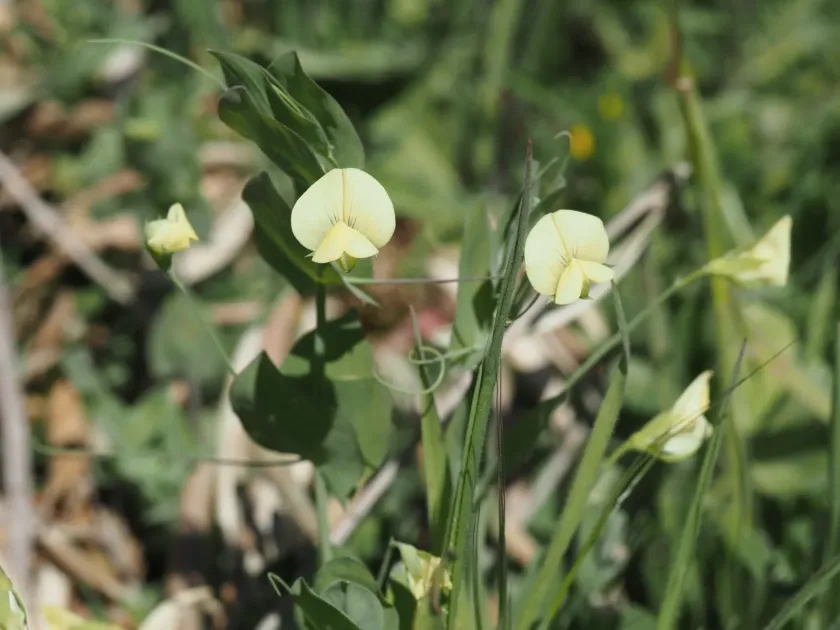
Yellow vetchling (Lathyrus aphaca L.) is an annual herbaceous plant belonging to the Fabaceae family. It is a distinct species characterized by its unique morphological adaptation, where the leaves are reduced to tendrils, and the stipules function as the primary photosynthetic organs.
The plant originates from the Mediterranean and Western Asia but has spread across various temperate regions. It is highly valued in certain agricultural contexts for its nitrogen-fixing capabilities, which enhance soil fertility and crop rotation efficiency.
The species thrives in well-drained, lime-rich soils and prefers sunny exposures. It is well-adapted to moderate drought conditions, allowing it to complete its growth cycle during the cooler spring months when moisture is most available.
Agricultural techniques for this crop emphasize soil preparation that prevents compaction, as the root system requires proper aeration for optimal symbiosis with nitrogen-fixing bacteria.
Despite its potential as a fodder crop, caution is advised regarding its inclusion in animal feed, as some wild vetch species may contain substances that require processing to ensure safety for livestock consumption.
Main diseases and pests
Common diseases affecting Lathyrus aphaca include powdery mildew and anthracnose, which typically manifest during periods of high humidity and stagnant air circulation within the canopy.
The crop is susceptible to various insect pests, including pea weevils, which specifically target the developing nodules and can impair the plant’s ability to fix atmospheric nitrogen.
Aphid infestations present a recurring challenge, potentially stunting growth by draining sap and predisposing the plants to secondary fungal infections due to honeydew accumulation.
Seed-borne pests such as bruchid beetles are a major concern for those engaged in seed production, necessitating rigorous inspection and post-harvest storage protocols.
Effective pest management relies on crop rotation and the strategic use of biological control agents to maintain a healthy ecological balance in the field environment.