
Tangier pea
Lathyrus articulatus L.
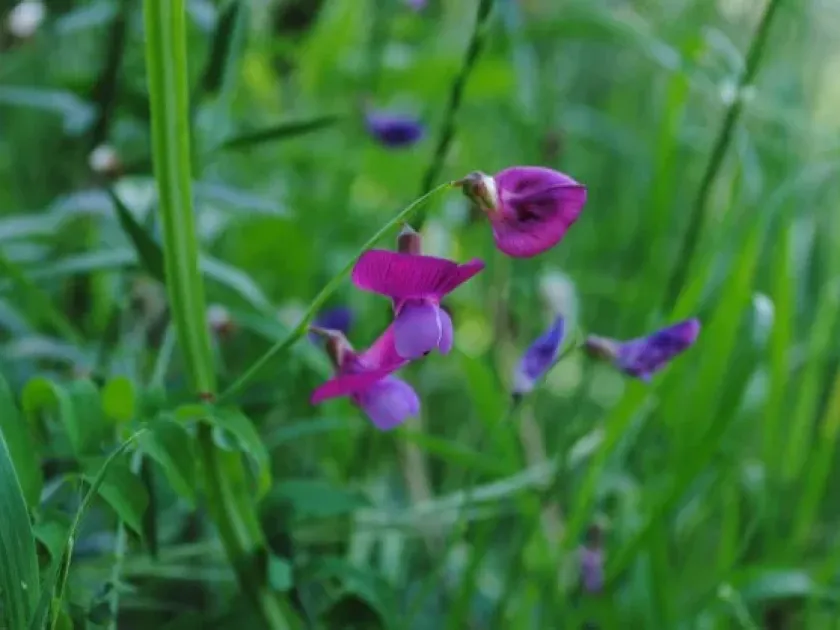
Description
Sowing dates
Tangier pea (Lathyrus articulatus) is an annual legume species often cultivated for its nutritional value as forage. The sowing season typically begins in early spring, once the danger of heavy ground frost has passed and the soil has sufficiently warmed.
Seeds are usually sown at a depth of 3 to 5 centimeters to ensure good contact with soil moisture. Proper soil preparation is essential to create a fine tilth, which promotes uniform germination across the field.
The row spacing is generally maintained between 20 and 30 centimeters. This distance allows for adequate airflow and weed control, which is vital for the initial growth stages of the plant.
Seed treatment with fungicides is recommended to protect the crop against soil-borne pathogens. Following standard agricultural protocols ensures higher seedling survival and better overall stand density.
The plant establishes relatively quickly, and within a few weeks, it forms a dense canopy that helps suppress competing weeds effectively, reducing the need for manual or chemical intervention.
Growing requirements
Tangier pea thrives in well-drained, fertile soils but shows remarkable adaptability to various soil types, including sandy loams. It prefers neutral to slightly alkaline pH levels for optimal nodule activity.
This crop is drought-tolerant, making it suitable for regions with limited rainfall. However, consistent moisture during the flowering and pod-filling stages is necessary to achieve maximum potential yield.
Phosphorus and potassium fertilizers are crucial for root development and seed production. Excessive nitrogen should be avoided, as it encourages excessive vegetative growth at the expense of seed quality.
The plant is light-loving and performs best in open fields with full sun exposure. Shade-heavy environments can lead to spindly stems and lower susceptibility to fungal diseases.
Optimal temperature ranges for growth are moderate, typically between 15°C and 25°C. The species is sensitive to extreme waterlogging, which can cause root decay and plant wilting.
Yield
The yield potential of Tangier pea is largely dependent on the fertility of the soil and the timing of rainfall. When managed correctly, it provides a high-quality protein source for livestock.
Green matter yield is usually highest when the plants are harvested at the late flowering stage. This timing captures the best balance between biomass weight and nutrient density.
Seed yield varies depending on environmental conditions but can be quite substantial under favorable management. It is important to harvest before the pods dry out completely to prevent shattering.
For optimal results, growers often use specialized harvesting equipment that minimizes seed loss. Proper post-harvest drying is necessary to store the seeds safely for future planting.
Consistent agricultural practices, including effective weed management, directly correlate with higher yields per hectare, making Tangier pea a reliable component in sustainable farming systems.
Main diseases and pests
Fungal pathogens such as mildew and various leaf spots are the most common threats to Tangier pea crops. These are usually prevalent in humid environments with poor soil drainage.
Insects like pea aphids can cause significant damage by feeding on young tissue, potentially transmitting viral diseases. Integrated pest management strategies are advised to keep populations below economic thresholds.
Root rot, often caused by Pythium or Fusarium species, can affect plants in poorly drained soils. Crop rotation is the most effective preventative measure against these soil-dwelling fungi.
Weed competition during the early stages of growth can significantly stunt the crop. Early-season cultivation or targeted herbicide applications are necessary to ensure the plants establish well.
Regular field scouting is essential to identify the presence of pests and diseases. Early detection allows for prompt action, which is vital in preventing widespread crop loss during the season.