
Tangier pea
Lathyrus tingitanus L.
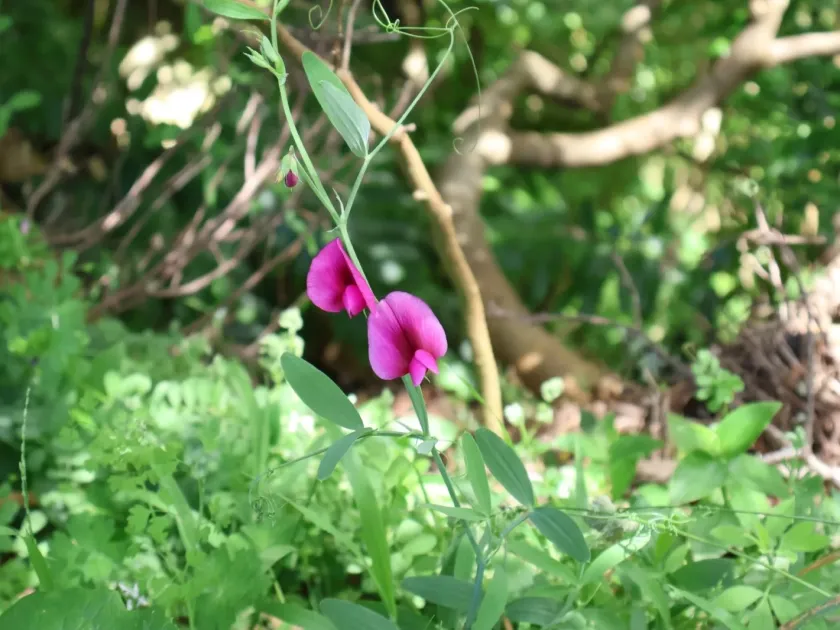
Description
Sowing dates
The Tangier pea is an annual legume that performs best when sown in early spring as soon as the soil temperatures reach at least 5–8 degrees Celsius.
Optimal sowing time typically falls in mid-April, allowing the plants to establish a strong root system before the onset of summer heat and dry spells.
Seeds should be planted at a depth of 3 to 5 centimeters to ensure adequate moisture absorption and to protect them from superficial drying of the soil.
Seeding rates depend heavily on the intended use of the crop, whether it is designated for forage production or seed multiplication for future seasons.
In mixed cropping systems, it is vital to coordinate sowing dates with companion crops to avoid competition for light and nutrients during early growth stages.
Growing requirements
Originating from the Mediterranean region, this crop is well-adapted to temperate climates but thrives best in areas with moderate rainfall distribution.
The Tangier pea favors fertile, well-drained loamy or sandy soils that possess a neutral pH level for optimal nutrient availability and root health.
It is strictly recommended to avoid waterlogged areas, as stagnant water significantly increases the risk of root pathogens and hinders nitrogen fixation.
Ample sunlight is essential for this plant; insufficient light exposure often results in thin, etiolated stems and a substantial reduction in biomass quality.
While the plant exhibits moderate drought resistance, supplemental irrigation during the critical flowering and pod-filling stages can significantly boost yields.
Yield
Tangier pea is valued for its high biomass production, with yields typically ranging from 15 to 25 metric tons per hectare under proper management practices.
As a nitrogen-fixing legume, it contributes to soil fertility, making it an excellent component in sustainable agricultural rotations for various farm systems.
Seed production potential ranges between 1.0 and 1.5 tons per hectare, provided that pollination conditions are favorable during the peak blooming period.
The high leaf-to-stem ratio is a defining characteristic of this crop, which enhances the digestibility and nutritional value of the produced green fodder.
Yield stability is strongly influenced by the prevention of competition from invasive weeds, which can drastically reduce total harvest if left uncontrolled.
Main diseases and pests
Fungal diseases, specifically root rot and powdery mildew, represent the most frequent threats, especially in seasons characterized by high humidity.
Pea leaf weevils and aphids are common pests that can damage foliage and impede the physiological development of the plant throughout the growing season.
Integrated pest management strategies, including the use of certified, treated seeds and crop rotation, are essential for maintaining crop health and vigor.
Monitoring the field for signs of viral transmission by insect vectors is crucial for preventing widespread stunted growth and yield loss in the legume crop.
Strategic timing of field interventions is necessary to avoid unnecessary stress to the plants while ensuring the effective management of common pest populations.
Harvesting
For high-quality forage, the crop should be harvested at the onset of the flowering phase to ensure the maximum concentration of proteins in the green tissue.
Seed harvesting requires careful timing; operations should commence when the pods transition to a brown color but before they begin to shatter in the field.
Mechanical harvesting equipment must be correctly calibrated to reduce seed breakage, which can negatively affect the germination rate of the future harvest.
After harvesting, the material must be dried properly to prevent heating and fungal growth, which are common issues in high-protein plant residues.
Ensuring that the final moisture content is below 14 percent is mandatory for safe, long-term storage in silos or ventilated grain warehouses.