
Chickling vetch
Lathyrus cicera L.
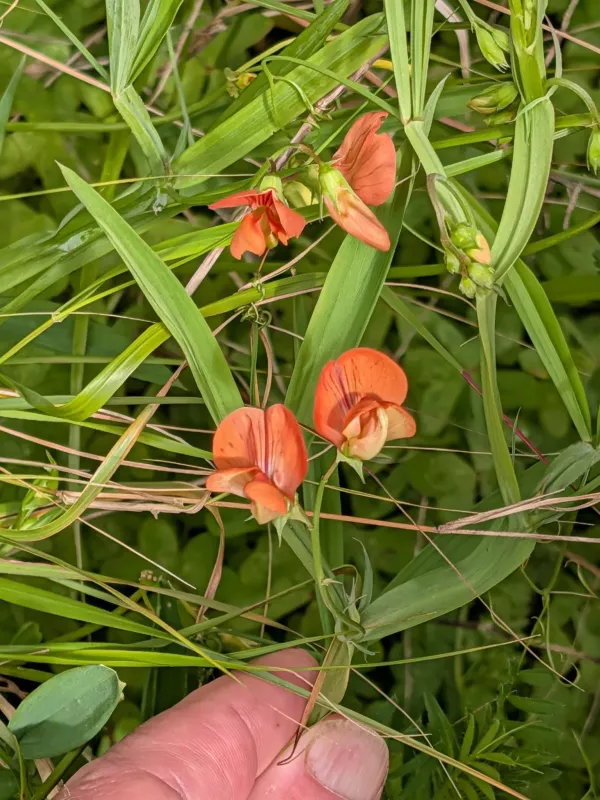
Description
Sowing dates
Chickling vetch, known botanically as Lathyrus cicera, is an annual legume valued for its resilience and nutritional profile. Sowing typically begins in early spring, once the soil temperature consistently reaches 5-8 degrees Celsius to trigger germination.
Early sowing is advantageous as it allows the crop to tap into the moisture stored in the soil during winter. The depth of sowing is usually set between 4 and 6 centimeters, depending on the specific soil moisture content and texture.
The standard row-seeding method with 15-centimeter spacing is most common for this crop. This configuration ensures even growth and allows for manageable weed control operations during the vegetative phase.
Seeding rates are adjusted based on regional climatic conditions, generally ranging from 1.5 to 2 million viable seeds per hectare. Precise density control is essential to balance competition for resources and maximize forage biomass.
Effective seedbed preparation is vital to ensure optimal contact between the seed and soil, promoting uniform emergence. Using high-quality, treated seeds helps protect the crop from soil-borne pathogens immediately after planting.
Growing requirements
Chickling vetch is recognized for its significant drought tolerance, making it an excellent candidate for regions prone to erratic rainfall. Its deep root system allows it to reach water levels that shallower crops cannot access.
The crop thrives in full sunlight and is sensitive to shading. Therefore, site selection should prioritize open fields without obstacles that could block direct solar radiation, which is essential for biomass development.
In terms of soil, Lathyrus cicera is relatively undemanding. It adapts well to various soil types, including sandy, loamy, and even moderately saline soils, provided they are well-drained and not prone to waterlogging.
The optimal pH range for this crop is between 6.0 and 7.5. While it can handle slight deviations, extreme soil acidity or alkalinity can inhibit root development and limit the efficiency of nitrogen-fixing bacteria.
Maintaining adequate but not excessive soil moisture is key, particularly during the flowering and pod-filling stages. Water management is critical, as overly wet soils can lead to root rot and decrease the survival rate of the beneficial bacteria that supply nitrogen.
Yield
The yield of chickling vetch can vary significantly based on environmental conditions and adherence to agronomic practices. Under favorable conditions, farmers can expect a grain yield of 1.5 to 2.5 tons per hectare.
Beyond the grain, the crop is highly prized for its green fodder, which is dense in protein. Harvests for forage can yield between 3 to 5 tons of biomass per hectare, making it a valuable seasonal feed source.
Inoculating seeds with specific rhizobia bacteria before sowing is a proven method to boost yield. This synergy allows the crop to fix atmospheric nitrogen, reducing the need for synthetic fertilizers and improving overall soil health.
Weed management is paramount during the first weeks of the growing season. Because chickling vetch grows slowly at the start, keeping the field clear of weeds ensures that resources are allocated exclusively to crop development.
Crop rotation plays a significant role in stabilizing yield. Integrating chickling vetch after cereal crops helps interrupt the life cycles of common pests and provides the soil with a beneficial nutrient structure for the next season.
Main diseases and pests
The most common disease threats include anthracnose and fusarium wilt. These fungal infections are particularly prevalent in warm, humid climates and can significantly reduce plant stand if not treated promptly.
Pests such as pea weevils can damage early growth by attacking stems and root systems. Proper field scouting and the use of integrated pest management (IPM) strategies are crucial for controlling infestations before they spread.
Aphids represent another common risk, especially during the pod-formation stage. By feeding on the sap, aphids can hinder pod development and lead to poor seed quality and lower grain production.
Prevention through crop rotation is the most effective way to manage these threats. Avoiding planting legumes in the same field for at least 3-4 years significantly reduces the risk of soil-borne pathogen buildup.
Post-harvest storage requires diligence to avoid damage by stored-grain insects. Proper drying to moisture levels below 14% and the use of clean, airtight storage facilities are essential to preserving the grain's quality.
Harvesting
Harvesting Lathyrus cicera is typically performed when most of the pods have turned brownish and the grain has hardened. Timing is critical to prevent the pods from shattering and losing seeds in the field.
Direct combining is the standard industrial approach. Operators should calibrate machinery to maintain a moderate speed, ensuring the delicate seeds are harvested with minimal mechanical breakage or losses.
In cases where maturation is uneven, a swathing method (mowing and windrowing) may be preferred. This allows the plants to complete their maturation cycle naturally in the field, resulting in higher quality, more uniform grain.
Once harvested, the grain should be cleaned to remove debris and then dried to a stable moisture content of 12-14%. Proper drying conditions are necessary to maintain seed viability and nutritional density.
The straw remaining after the grain harvest is an excellent agricultural byproduct. Rich in fiber and remaining proteins, it serves as high-quality winter feed for livestock, enhancing the total economic output of the crop cycle.