
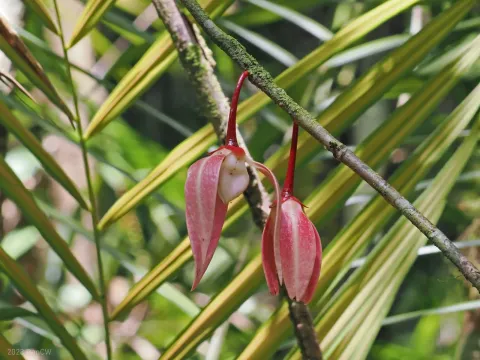
Goniothalamus
Goniothalamus
Goniothalamus is a genus of evergreen trees and shrubs within the Annonaceae family, primarily native to the tropical forests of Southeast Asia. These plants have evolved to thrive in warm, humid environments found in regions like Thailand, Malaysia, and the Philippines.
What the section contains
 Goniothalamus cardiopetalus
Goniothalamus cardiopetalus
Goniothalamus cardiopetalus
 Goniothalamus gardneri
Goniothalamus gardneri
Goniothalamus gardneri
 Goniothalamus giganteus
Goniothalamus griffithii
Goniothalamus griffithii
Goniothalamus hookeri
Goniothalamus hookeri
Goniothalamus giganteus
Goniothalamus giganteus
Goniothalamus griffithii
Goniothalamus griffithii
Goniothalamus hookeri
Goniothalamus hookeri
 Goniothalamus macrophyllus
Goniothalamus malayanus
Goniothalamus malayanus
Goniothalamus macrophyllus
Goniothalamus macrophyllus
Goniothalamus malayanus
Goniothalamus malayanus
 Goniothalamus salicinus
Goniothalamus salicinus
Goniothalamus salicinus
 Goniothalamus sesquipedalis
Goniothalamus sesquipedalis
Goniothalamus sesquipedalis
 Goniothalamus thwaitesii
Goniothalamus thwaitesii
Goniothalamus thwaitesii
 Goniothalamus wightii
Goniothalamus wynaadeni
Goniothalamus wynaadeni
Goniothalamus wightii
Goniothalamus wightii
Goniothalamus wynaadeni
Goniothalamus wynaadeni
Goniothalamus
Successful cultivation of Goniothalamus requires mimicking their natural tropical climate. They demand high ambient humidity, consistent temperatures, and protection from cold drafts, which makes them suitable candidates for greenhouse and conservatory environments.
Soil conditions are critical for the health of these plants; they require nutrient-rich, well-draining substrates. A mix that retains moisture while allowing excess water to escape prevents root rot, which is a major concern in tropical indoor gardening.
Botanically, these plants are known for their distinctively fragrant flowers and edible or ornamental fruit aggregates. Their leaves are typically simple, alternate, and leathery, adapting well to the lower light levels found in the understory of dense tropical canopies.
Economic and research interest in Goniothalamus is centered on its phytochemical profile. The genus is a rich source of bioactive compounds, particularly acetogenins, which are subjects of significant research for potential pharmaceutical applications, including anti-cancer and antimicrobial properties.
Fungal infections, particularly leaf spot diseases, can become problematic in stagnant or overly humid conditions. Providing good air circulation is essential for preventing the spread of pathogens across the foliage of the plants.
Common indoor plant pests like scale insects and spider mites frequently affect the health of Goniothalamus under cultivation. Monitoring and early treatment with horticultural oils or insecticidal soaps can manage these infestations effectively.
Root rot is the most devastating condition, usually triggered by overwatering or poor soil drainage. If the root system fails, the plant cannot effectively transport nutrients, leading to rapid decline and potential loss of the specimen.
Anthracnose can appear during periods of high humidity and cool nights. Effective management includes removing infected plant parts and keeping the surrounding environment clean and properly ventilated to stop spore germination.
Prevention of pest outbreaks involves regular inspection and biological control methods. Maintaining a robust plant vigor through proper fertilization and watering is the best defense against both common pests and environmental stressors.