
Goniothalamus gardneri
Goniothalamus gardneri
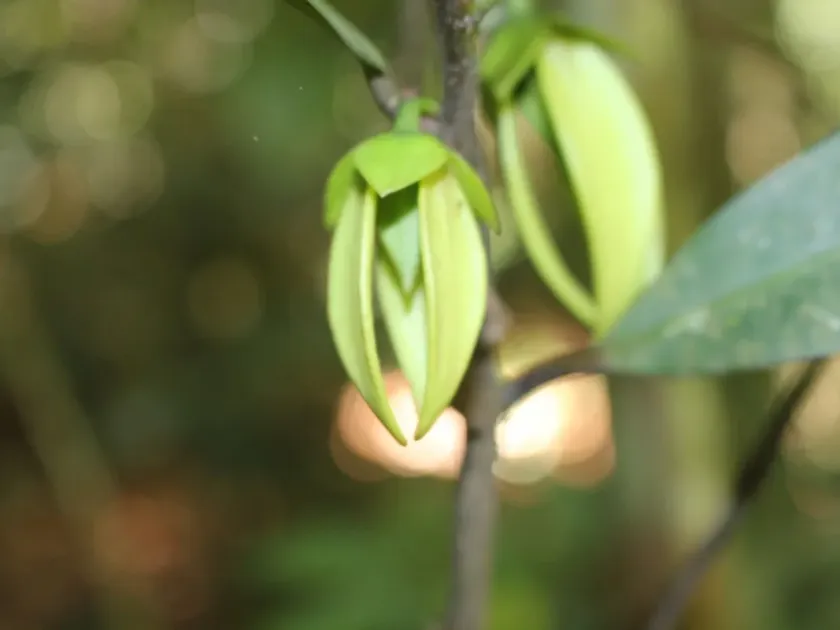
Description
Growing requirements
Goniothalamus gardneri is an evergreen shrub or small tree belonging to the Annonaceae family. It is endemic to the tropical rainforests of Sri Lanka, where it thrives in shaded and humid environments.
The cultivation of this species requires a stable, warm climate with high humidity levels throughout the year. It does not tolerate frost or cold drafts, making it suitable mainly for tropical greenhouse conditions or specific microclimates in warm regions.
Soil requirements focus on high organic content and superior drainage. The root system is sensitive to waterlogging, so it is necessary to use substrates that allow aeration while maintaining moisture without creating anaerobic pockets.
Agricultural techniques involve providing consistent hydration, although moderate irrigation is preferred over constant soaking. Light management is crucial, as the plant naturally grows under the forest canopy and can suffer from excessive solar radiation.
The plant has gained scientific attention due to the presence of specific bioactive compounds, including alkaloids and acetogenins. These substances are being researched for their pharmaceutical potential in the development of new treatments.
Main diseases and pests
Fungal infections remain the primary threat to Goniothalamus gardneri, particularly in environments with poor air circulation. Root rot is a common outcome when moisture levels are not properly managed in the potting medium.
Common tropical pests, such as mealybugs and scale insects, frequently target the foliage and tender stems. These pests extract plant sap, weakening the structure and leading to secondary infections at the wound sites.
Leaf-feeding insects can cause significant aesthetic and physiological damage if infestations are not addressed promptly. Regular scouting and integrated pest management strategies are recommended to maintain plant health.
Nutrient deficiencies, particularly regarding trace minerals, can manifest as leaf chlorosis. This condition necessitates a balanced fertilization program that ensures the plant receives essential elements for optimal development.
Environmental stress, caused by climate changes or habitat degradation, significantly increases the vulnerability of the species. Preservation of the plant's health requires meticulous attention to the balance of abiotic factors in its growing environment.