
Goniothalamus cardiopetalus
Goniothalamus cardiopetalus
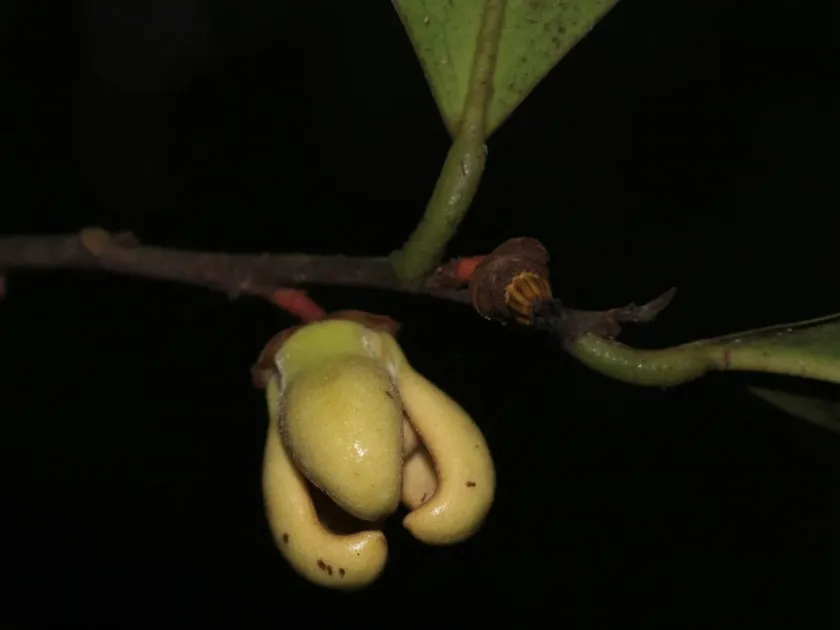
Description
Growing requirements
Goniothalamus cardiopetalus is a tropical species belonging to the Annonaceae family, native to regions with warm and humid climates.
The plant thrives in environments characterized by high ambient temperatures and consistent moisture levels, essential for its continuous vegetative development.
Soil requirements involve a nutrient-rich, organic matter-laden substrate that ensures excellent drainage to prevent root hypoxia and fungal infections.
It prefers shaded or semi-shaded locations, as intense sunlight can cause leaf chlorosis and dehydration in younger, more vulnerable specimens.
Cultivation practices include maintaining consistent soil moisture and protecting the plants from severe weather conditions such as high-velocity winds.
Yield
The economic value of this crop is primarily derived from its secondary metabolites, including specific alkaloids found in the roots and bark.
Productivity in agricultural settings is measured by the biomass accumulation of plant parts used in pharmaceutical research and traditional medicine.
Optimizing yield requires careful attention to soil fertility, as the concentration of active chemical compounds is often linked to the plant's nutritional health.
Sustainable harvesting techniques are applied to ensure that the collection of raw plant material does not jeopardize the longevity of the individual shrubs.
Modern management approaches aim to standardize the output of phytochemicals by controlling growth conditions and minimizing environmental stress.
Main diseases and pests
The plant is susceptible to various root pathogens, particularly those thriving in waterlogged soil conditions, which pose a significant risk to overall viability.
Fungal infections on leaf surfaces are common, especially in areas with poor ventilation and persistently high humidity levels during the wet season.
Pests such as mites and aphids can impact the growth of young shoots, leading to reduced vigor and potentially hindering the development of new leaves.
Nematode infestations in the rhizosphere represent a persistent challenge that requires proactive soil management and crop rotation strategies.
Integrated pest management, emphasizing biological control and sanitation, is recommended to maintain a healthy plantation and high-quality harvest.