
Goniothalamus macrophyllus
Goniothalamus macrophyllus
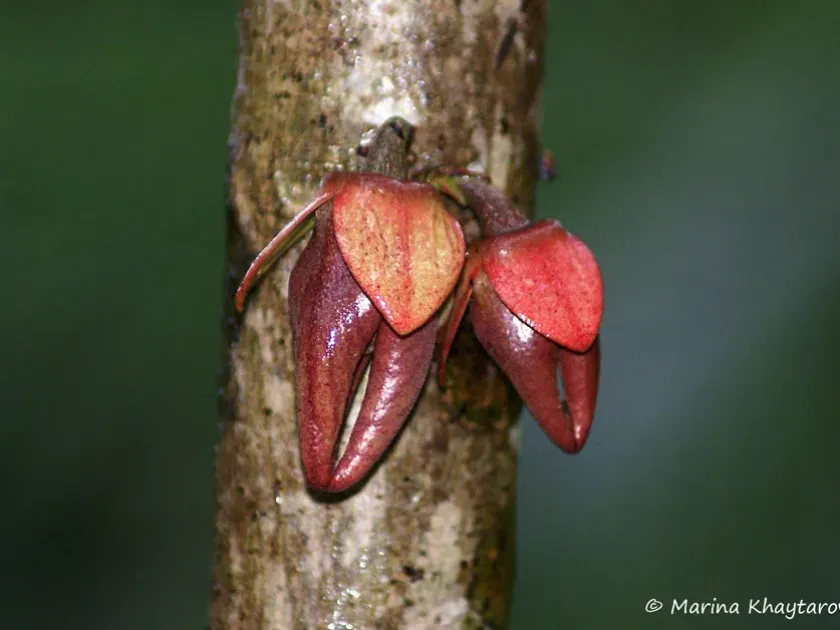
Description
Growing requirements
Goniothalamus macrophyllus is an evergreen shrub or small tree belonging to the Annonaceae family. Native to the dense, humid rainforests of Southeast Asia, it is a plant well-adapted to the stable, warm environments of the tropics.
The crop requires high temperatures ranging between 24°C and 30°C throughout the year. It does not tolerate cold exposure or temperatures below 15°C, making it suitable exclusively for tropical climates or strictly controlled greenhouse conditions.
Soil requirements include well-drained, nutrient-rich soil that is high in organic matter. The plant demands constant moisture levels; however, it is highly sensitive to waterlogging, which often leads to rapid decay of the root system.
As a forest understory plant, Goniothalamus macrophyllus thrives in partial shade. Excessive direct sunlight can damage the leaves, causing tissue necrosis. In agricultural setups, light management through shade cloth or natural canopy structures is essential for productivity.
This species is of significant interest in ethnopharmacology. Its roots and leaves contain bioactive compounds known as acetogenins, which are studied for their potential anticancer, antimicrobial, and anti-inflammatory properties, making it a plant of pharmacological value.
Main diseases and pests
Root rot caused by fungal pathogens is the most prevalent threat to this crop. It typically occurs when the planting medium lacks proper aeration or when the soil remains waterlogged for extended periods during the rainy season.
Spider mites are the most common pests, particularly in indoor or greenhouse cultivation where the ambient humidity may drop. These pests feed on the cell sap, leading to chlorosis and potential leaf abscission if not controlled effectively.
Mealybugs and scale insects may also infest the plant, settling on the stems and leaf undersides. Infestations lead to reduced growth and can facilitate the growth of sooty mold on the foliage, further impairing photosynthesis.
Integrated pest management strategies are recommended, focusing on maintaining optimal humidity levels and consistent sanitation of the growing environment to prevent the buildup of pest populations.
Regular monitoring of the foliage and root health is vital. Pruning should be performed with sterile tools to prevent the introduction of viral or bacterial pathogens, ensuring the long-term health and productivity of the shrub.