
Goniothalamus sesquipedalis
Goniothalamus sesquipedalis
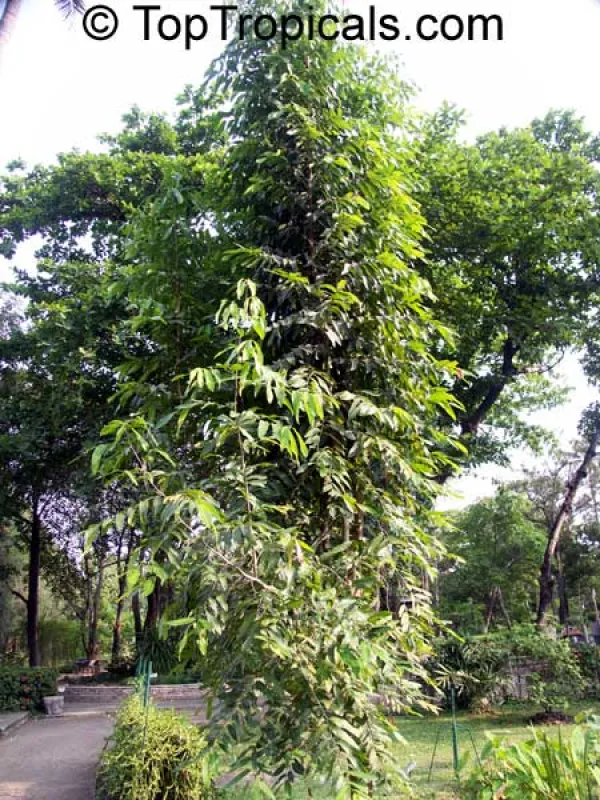
Description
Sowing dates
Propagation of this species is primarily conducted through seeds, which should be sown immediately after harvesting to maintain high viability.
A sterile, lightweight substrate comprising peat and perlite is recommended to promote root development while ensuring adequate aeration.
During the germination phase, it is crucial to maintain a temperature range between 25 and 28 degrees Celsius to optimize the physiological processes.
Sowing depth should be kept shallow, approximately one centimeter, to ensure the emerging shoots do not struggle to break through the soil surface.
Gradual acclimatization of seedlings to lower humidity levels is necessary once the plants have developed their third or fourth true leaf.
Growing requirements
Goniothalamus sesquipedalis belongs to the Annonaceae family and typically thrives in the understory of tropical forests, requiring specific light conditions.
It demands a high-humidity environment, ideally maintained at 70 to 80 percent, to prevent leaf wilting and ensure healthy vegetative growth.
Soil quality must be rich in organic matter, slightly acidic, and well-draining to prevent root asphyxiation during the wet season.
This species is highly sensitive to cold temperatures and should only be cultivated in tropical or subtropical greenhouse environments.
Regular fertilization with organic-based inputs during the growing season significantly enhances the structural integrity and growth rate of the plant.
Main diseases and pests
Scale insects are a common pest that can infest the stems and undersides of leaves, requiring manual removal or systemic control agents.
Leaf spot diseases, often caused by pathogenic fungi, can compromise the foliage if the air circulation around the canopy is insufficient.
Root rot, induced by waterlogged soil conditions, represents the most significant threat to the plant's overall health and survival.
Environmental stress caused by sudden changes in temperature or moisture can make the plant more susceptible to opportunistic pathogens.
Integrated pest management strategies focusing on environmental control are more effective than chemical treatments, which may damage the plant's foliage.