
Goniothalamus salicinus
Goniothalamus salicinus
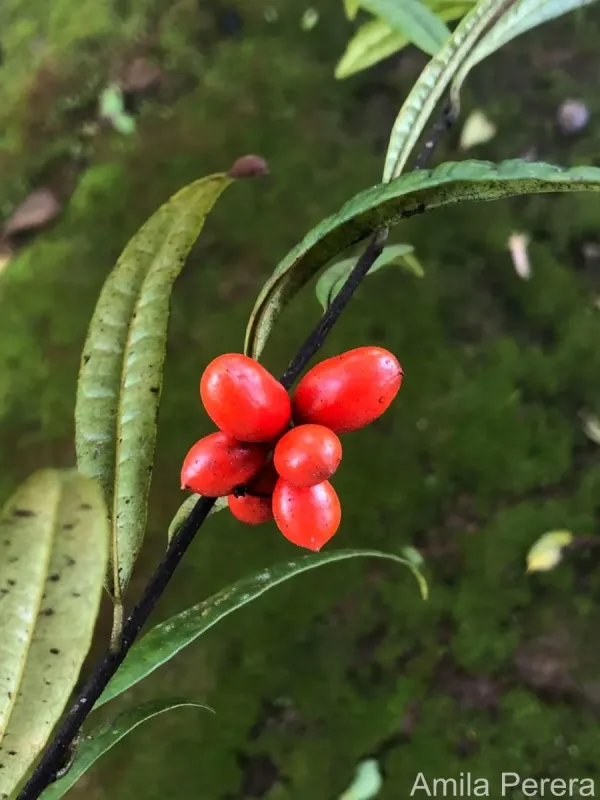
Description
Growing requirements
Goniothalamus salicinus belongs to the Annonaceae family and is recognized for its willow-like foliage. It is primarily found in tropical forest environments where it functions as a distinct understory species.
The crop requires a tropical climate with consistent temperatures and minimal fluctuations throughout the year. It thrives best in regions where high humidity is maintained naturally.
Soils should be well-drained, fertile, and rich in organic matter. A slightly acidic to neutral pH level is ideal for optimizing nutrient availability for the root system.
Regarding light requirements, the plant prefers dappled shade. Direct sunlight exposure can cause significant physiological stress and damage to the leaves.
Consistent moisture management is crucial, as the plant does not tolerate prolonged drought or waterlogged soil conditions, which can lead to root system failure.
Main diseases and pests
Fungal diseases are the primary threat, particularly those that thrive in stagnant, humid air conditions within confined cultivation areas.
Root rot, caused by various pathogens in damp soil, remains the most significant risk factor for Goniothalamus salicinus, often resulting from poor drainage.
Pests such as mealybugs and scale insects represent a common challenge, as they congregate on stems and undersides of leaves to feed on plant sap.
In addition to sap-sucking pests, leaf-eating beetles can cause aesthetic and physical damage, reducing the overall vigor of the individual plants.
Effective management involves integrated pest control strategies, including periodic inspection, adequate spacing, and the removal of any diseased plant tissue.