
Goniothalamus thwaitesii
Goniothalamus thwaitesii
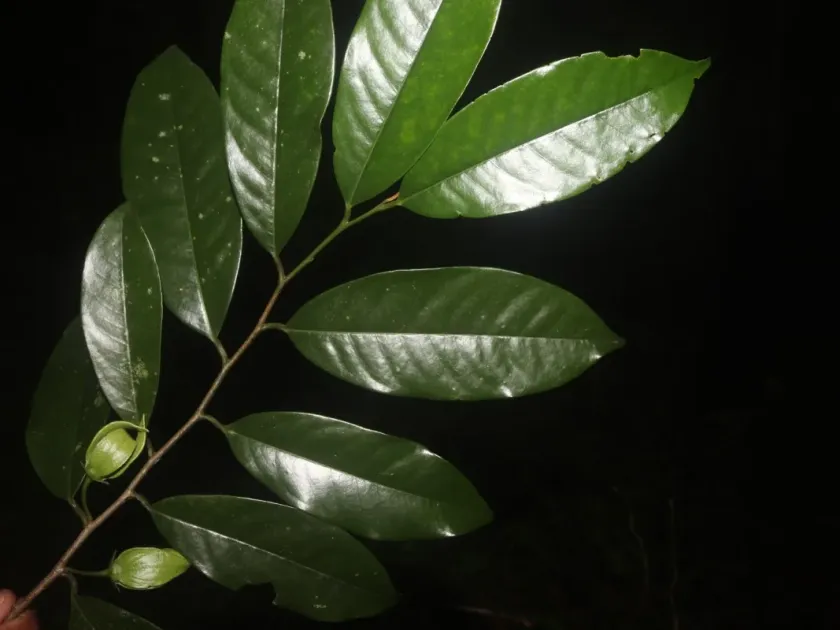
Description
Growing requirements
Goniothalamus thwaitesii is a rare tropical plant belonging to the Annonaceae family, native to the dense rainforests of Sri Lanka. As a slow-growing understory species, it has evolved to thrive in environments with filtered light and high humidity.
The cultural requirements of this species demand a stable tropical climate where temperature fluctuations are minimal. It performs best in environments that replicate the humid forest floor, requiring consistent moisture and protection from cold drafts.
Soil management for this plant involves using highly porous, nutrient-dense substrates that allow for effective moisture retention without becoming waterlogged. Proper drainage is essential to avoid anaerobic conditions that lead to root distress.
Botanically, it is recognized for its evergreen foliage and unique floral morphology typical of the Annonaceae family. Its biological cycle is adapted to the tropical seasonal patterns of rainfall and humidity.
Research into Goniothalamus thwaitesii focuses on its chemical composition, specifically its content of styryl-lactones and alkaloids. These compounds are of significant interest for their potential application in biomedical research, particularly in the development of cytotoxic agents.
Main diseases and pests
The most significant threat to this species is habitat loss due to deforestation in its endemic regions. Conservation efforts are crucial to maintaining the genetic diversity of this specialized tropical flora.
Under artificial conditions, pests like spider mites and scale insects represent the most common biological threat. Due to the waxy cuticle of the leaves, physical removal combined with mild biological insecticides is the preferred control method.
Fungal pathogens pose a major risk if ventilation is inadequate. Stagnant air combined with high humidity often results in leaf spot diseases or stem rot, which can be fatal if not identified in early stages.
Nutritional imbalances can cause leaf chlorosis, making the plant more susceptible to stress. Careful monitoring of the substrate pH and nutrient availability is required to ensure vigorous growth.
During propagation, seeds and young seedlings are particularly vulnerable to damping-off fungi. Strict hygiene protocols must be followed to ensure the successful development of the next generation of plants.